
 EN
EN
 AR
AR
 BG
BG
 HR
HR
 CS
CS
 DA
DA
 NL
NL
 FI
FI
 FR
FR
 DE
DE
 EL
EL
 HI
HI
 IT
IT
 JA
JA
 KO
KO
 NO
NO
 PL
PL
 PT
PT
 RO
RO
 RU
RU
 ES
ES
 SV
SV
 TL
TL
 IW
IW
 ID
ID
 SR
SR
 SK
SK
 SL
SL
 VI
VI
 ET
ET
 HU
HU
 TH
TH
 TR
TR
 FA
FA
 MS
MS
 GA
GA
 CY
CY
 BE
BE
 IS
IS
 MY
MY

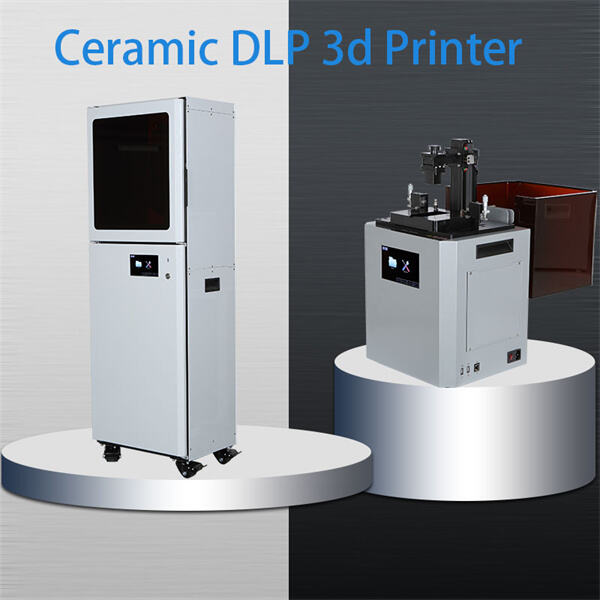
When it comes to four 3D ceramic printers building things, the speed at which they work becomes a big deal. We’ve seen it firsthand at shenzhen 3 KU how quickly printing can alter how companies order and use these presses. By comparing how fast 3D ceramic printers can build things with other methods of making ceramic objects, People can see what works best for different types of jobs. Some ways take awhile others are a quicker go. But speed is not just about how fast it finishes, it’s also about how well the printer can handle details and materials. So what’s the big deal about build speed, and how does 3D ceramic printing stand out from traditional methods?
How This Affects Wholesale 3D Ceramic Printer Orders
When companies purchase ceramic 3d printer in bulk, such as wholesale orders, build speed matters most. Here at shenzhen 3KU, we found that customers are looking for a printer does not need to wait too long for each part and would sacrifice some quality speed. Picture a factory that must pump out hundreds of ceramic items each day. If a printer is slow, it creates bottlenecks and overhead, potentially even halting the entire production line. The high speed of build output translates to businesses being able to make deadlines and keep customers happy. But sometimes speed isn't everything. If a printer hurries and flubs the job, it’s wasted time and materials. So buyers tend to seek balance. For instance, a 3D printer capable of building a vase in 10 hours is not as good compared to one ready in 6 hours providing the vase appears nice and strong. We’ve seen some of our customers order more printers for speed because they know that’s what helps them grow their business and serve the markets better. Others prefer slower printers for particularly finicky designs that require a printer’s attention. So, at shenzhen 3KU, we know the correct building speed for each customer This can lead us to the best models for customers. Fast printers also cut the amount of labor required, so fewer people have to hang around waiting for jobs to end. This saves money and frees up workers to focus on other tasks. In sum, build speed influences how many printers customers purchase, what types they opt for and even how their business operates on a daily basis.
Which Factors Can Improve The Print Speed Of 3D Ceramic Printers Build When Compared To Other Methods?
Many things determine how quickly a 3D ceramic printer can work, and they are not the same as traditional ways of making ceramics. First, the technology itself is a really big deal. At Shenzhen 3KU, we use state of the art layering techniques to quickly and accurately deposit material. This is as opposed to hand-molding, or slip casting, which can take longer because there are drying and firing steps. Among 3D printers, build speed can vary too, depending on nozzle size, print resolution and the type of ceramic material employed. Larger nozzles allow more material to flow, and prints faster, but it can muddy fine detail. Smaller nozzles do the opposite. The complexity of the design also factors in. A simple cup prints far faster than a complex sculpture. Some are multi step processes in which you might make molds, wait for clay to dry and fire it in a kiln stretching the process out over days or weeks. Some of these steps can be skipped with 3D ceramic printers, but firing is still needed to make the ceramic strong. Another factor is software. And better software accelerates how fast the printer is moving, and laying down material. Bad software everyone knows slows everything down or introduces errors. We at shenzhen 3KU invest a lot in smart controls to get the highest speed without damaging quality. Temperature and humidity being other environment factors which affect speed. Excessive moisture can slow drying, and insufficient moisture can lead to cracks. With all that said, 3D ceramic printing frequently trumps in speed for prototyping and small batches but doesn’t always win out against mass production methods such as injection molding. But with that comes flexibility printers can change designs instantly without creating new molds. That means faster turnarounds for new ideas. So the actual speed depends on what’s being made, how intricate it is and the printer’s settings. With my knowledge at 3KU, I find it provides a bit of assistance to their customers for choose the correct printer and make use of it correctly for what they need.
What Are The Common Speed Problems In Wholesale 3D Ceramic Printing?
When people discuss 3D ceramic printing, one larger topic is how quickly these types of printers can actually build stuff. Ceramic 3D printers will typically be slower than their plastic and metal counterparts. This is because ceramics require a bit more care. For example, the printer usually has to painstakingly deposit each layer of ceramic powder or paste, and then the object often needs time to dry or harden before moving on. This drying or curing can take a good bit of time which hampers the entire build.
Another speed problem is generated by how the printer is engineered. Some 3D ceramic printers utilize a printing style known as layer by layer. This is the printer laying one thin layer on top of another. This makes detailed and strong objects, but which also means it takes longer to build if the object is large or has many layers. The printer must also be accurate as ceramic can crack or shatter if the layers are not right. And this need for accuracy slows down the speed of printing.
Many companies looking to acquire and operate 3D print ceramic at a wholesale price do so because they want to move large quantities quickly. But the majority of ceramic 3D printers are slower than other kinds of 3D printer. Plastic printers, for instance, tend to be faster because plastic cools and hardens relatively rapidly. Metal printers are frequently based on fast laser melting, which accelerates the process. Ceramic substances just take longer before they are hard and strong.
We are no strangers to these speed dilemmas at shenzhen 3KU. Ceramic parts cannot and will never be sacrificed for speed even though we all seem to want everything instantly. So, we strive for that balance between speed and quality in our 3D ceramic printers. We are optimizing our technology to minimize drying times and also stepping up the precision of the layers, so that customers can print faster without losing any of the great finish for which ceramics are already famous.
What Are The Most Recent Developments In Fast Optimization Of 3D Ceramic Printing Technologies?
The industries and scientists who introduce faster 3D ceramic printing processes are getting developed by Shenzhen 3KU. They continuously look for effective methods to increase print speeds while ensuring cathedral grade quality of ceramic printing. One significant direction is to replace the components of the detection devices with the newest materials. New ceramic powders and pastes are created which have shorter curing and setting times. These ameliorated materials not only permit fewer dwell times between layers but also accelerate the printer's operating speed.
A second key trend is smarter printing. Newer 3D ceramic printers have more robust software that can better control the printing process. This software can vary speed according to the form and size of the object. For instance, it could be slow for complex portions and fast for other sections. This intelligent control is a time-saving feature without losing the touch of detail.
Some printers are also experimenting with new ways of printing ceramics and assembling parts that differ from the traditional use of filaments. Instead of the usual layer-upon-layer technique, some print objects continuously. That's because it ensures the printer doesn't falter between layers, when a moving part of the print head could cause occasional roughness or under-extrusion. Continuous printing can be even faster and the parts are still strong.
Here at shenzhen 3KU, we strive to merge these trends and deliver superior content to our users. We rely on high-tech materials that harden fast, and software that optimizes each movement of the nozzle. Our machines also feature new technologies that are designed to minimize drying time by controlling temperature and humidity within the printer. These little adjustments increasingly fly as a result in your print velocity.
Finally, even some of the new 3D ceramic printers are as being made with multiple print heads. This means that they can print multiple parts or layers simultaneously. That is a major speed advantage over companies that do not have multi-head printing, when those businesses need many ceramic parts at once. Shenzhen 3KU is developing this technology to help wholesale buyers do more with less time.
Hacks To Get Over Build Speed Issues On Wholesale 3D Ceramic Printers?
Speed If you are the kind to purchase 3D ceramic printers in bulk, then speed is definitely something that must feature atop your mind. But because ceramic printing is inherently slower, how do you end up with the fast machines you require? Shenzhen 3KU has some tips to offer in order to overcome these speed hurdles.
First, it ensures you select a printer with the most up-to-date technology. Older models may be less efficient because they are not equipped with smart software or fast-drying materials. We constantly improve our 3d printers to better suit your needs and offer more value. Seeking out printers with strong control systems, and the ability to work with advanced ceramic materials.
Second, think of the size and shape of the parts you want to print. Large, intricate parts require more time to print than small, straightforward ones. If you typically have just orders with simple shapes, you could choose printers that print fast at a lower number of layers. Of course, with complex parts it’s smart to have printers that can speed up for some sections and slow down for others. Shenzhen 3KU’s printers are built to handle a variety of shapes and sizes, so you can achieve the best speed for your application.
Third, consider drying and curing times. Some printers have in-built systems that can accelerate this process through heating or special light. Selection of printers that possess these capabilities can help to minimize the overall print time. At Shenzhen 3KU, we offer a variety of models with drying control systems to help save you as much time as possible.
Finally, since you're buying wholesale, you need printers that are reasonable in maintenance and longevity. If it’s going to take downtime to repair it, downtime can slow you more than printing. Shenzhen 3KU constructs them from long-lasting parts and provides quality service to ensure your machines continue running quickly and efficiently.
You can get around the usual speed issues by choosing intelligent 3D ceramic printers and using a firm like shenzhen 3KU to help you out with your project though. This enables your business to produce more ceramic parts faster, and keep customers happy.
Table of Contents
- How This Affects Wholesale 3D Ceramic Printer Orders
- Which Factors Can Improve The Print Speed Of 3D Ceramic Printers Build When Compared To Other Methods?
- What Are The Common Speed Problems In Wholesale 3D Ceramic Printing?
- What Are The Most Recent Developments In Fast Optimization Of 3D Ceramic Printing Technologies?
- Hacks To Get Over Build Speed Issues On Wholesale 3D Ceramic Printers?