
 EN
EN
 AR
AR
 BG
BG
 HR
HR
 CS
CS
 DA
DA
 NL
NL
 FI
FI
 FR
FR
 DE
DE
 EL
EL
 HI
HI
 IT
IT
 JA
JA
 KO
KO
 NO
NO
 PL
PL
 PT
PT
 RO
RO
 RU
RU
 ES
ES
 SV
SV
 TL
TL
 IW
IW
 ID
ID
 SR
SR
 SK
SK
 SL
SL
 VI
VI
 ET
ET
 HU
HU
 TH
TH
 TR
TR
 FA
FA
 MS
MS
 GA
GA
 CY
CY
 BE
BE
 IS
IS
 MY
MY

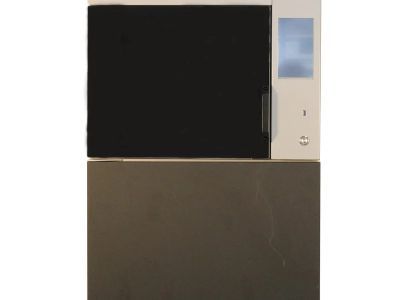
Understanding how top down DLP 3D printers build complex ceramic parts is crucial for industries requiring high precision and intricate designs. These printers utilize a unique method that allows for the creation of detailed ceramic components, addressing the main concerns of B2B buyers related to material selection, production capabilities, and overall performance. This article will guide you through selecting the right DLP ceramic 3d printer for ceramic applications, finding reliable suppliers, troubleshooting common issues, and understanding essential features to consider when purchasing.
Choosing the Right DLP 3D Printer for Complex Ceramic Applications
When selecting a top down DLP 3D printer for ceramic parts, consider the specific requirements of your application. Key factors include the printer's resolution, layer thickness, and compatibility with various ceramic materials. A high-resolution printer is essential for producing intricate designs and fine details, while the ideal layer thickness can influence the surface finish and structural integrity of the final product. Additionally, assess the printer's build volume. Larger build volumes allow for the production of bigger parts or multiple components in one print cycle, which can enhance productivity. Look for printers that offer customization options to tailor the specifications based on your unique manufacturing needs. Also, ensure that the printer can handle the specific ceramic materials you intend to use, as this will directly impact the quality of the parts produced.
Where to Find Reliable Suppliers for Top Down DLP Printers?
Finding a trustworthy supplier for top down DLP printers involves thorough research and evaluation. Start by identifying manufacturers with a strong reputation in the 3D printing industry. Look for companies that specialize in DLP technology and have experience in producing printers specifically for ceramic applications. Check for customer reviews and case studies that highlight the supplier's performance and customer service. Engaging in industry forums or trade shows can also help you connect with manufacturers and gather firsthand insights into their products. Don't hesitate to request samples or demonstrations to evaluate the dlp 3d printer capabilities before making a purchase. A reliable supplier, like Shenzhen 3KU Technology and Science Co., LTD, should also provide comprehensive technical support and after-sales service to ensure a smooth operational experience.
Common Problems in 3D Printing Ceramics and Their Solutions
3D printing ceramics can present several challenges that may affect the quality of the final product. One common issue is warping during the curing process, which can lead to dimensional inaccuracies. To mitigate this, ensure that the printer is calibrated correctly, and consider using a heated build platform to maintain consistent temperatures. Another challenge is the adhesion of ceramic layers. Inadequate adhesion can result in weak points in the structure. To address this, optimize the exposure time and intensity settings for the DLP digital light processing 3d printer, as these parameters significantly influence layer bonding. Additionally, post-processing can be complex. Proper cleaning and firing procedures are crucial for achieving the desired properties of the ceramic parts. Familiarizing yourself with the specific requirements of the ceramic material, including firing schedules and cooling rates, can help in delivering high-quality finished products.
Expert Tips for Installing DLP 3D Printers for Ceramic Parts
Installing a DLP 3D printer requires careful attention to detail to ensure optimal performance. Begin by selecting an appropriate location that is stable, level, and free from dust or contaminants. The environment should maintain a consistent temperature and humidity level, as fluctuations can affect printing quality. Follow the manufacturer's guidelines for hardware setup, including any necessary software installations. It's advisable to run calibration tests to verify that the printer is operating within its specified parameters before commencing production. Additionally, consider conducting a trial run with a test model to evaluate the printer's performance and identify any adjustments needed. Regular maintenance is also crucial for ensuring longevity and reliability. This includes cleaning the resin tank, inspecting the optical components, and updating software as needed. Establish a routine maintenance schedule to prevent common issues that could disrupt production.
Features That Matter for Buyers
When evaluating DLP 3D printers for ceramic applications, certain features can significantly impact your purchasing decision. Look for printers that offer high-resolution capabilities, as this will enhance the detail and precision of the printed parts. A user-friendly interface and advanced slicing software are also beneficial for streamlining the printing process. Consider the printer's build volume, as larger capacities allow for more flexible production options. Additionally, features such as automatic calibration and real-time monitoring can improve operational efficiency and reduce downtime. Customization capabilities are essential for meeting specific client needs. Ensure that the printer can accommodate a variety of ceramic materials and adapt to different design requirements. Lastly, assess the support services provided by the manufacturer, including training and technical assistance, as these can greatly influence your overall satisfaction with the product. In summary, understanding how top down DLP 3D printers build complex ceramic parts is vital for making informed purchasing decisions. By carefully evaluating the right printer, selecting reliable suppliers, addressing common challenges, and considering critical features, you can enhance your production capabilities and ensure high-quality outputs in your manufacturing processes.