
 EN
EN
 AR
AR
 BG
BG
 HR
HR
 CS
CS
 DA
DA
 NL
NL
 FI
FI
 FR
FR
 DE
DE
 EL
EL
 HI
HI
 IT
IT
 JA
JA
 KO
KO
 NO
NO
 PL
PL
 PT
PT
 RO
RO
 RU
RU
 ES
ES
 SV
SV
 TL
TL
 IW
IW
 ID
ID
 SR
SR
 SK
SK
 SL
SL
 VI
VI
 ET
ET
 HU
HU
 TH
TH
 TR
TR
 FA
FA
 MS
MS
 GA
GA
 CY
CY
 BE
BE
 IS
IS
 MY
MY

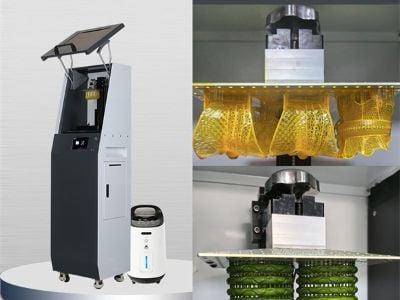
DLP 3D printing systems represent a transformative technology in precision ceramic manufacturing, offering enhanced accuracy, efficiency, and versatility. As a B2B buyer, your primary concerns likely revolve around the reliability of the printing systems, their specifications, compatibility with your specific applications, and the potential for customization. This article aims to provide you with a comprehensive understanding of dlp in 3d printing systems for precision ceramic manufacturing, helping you make informed decisions during your procurement process.
Understanding DLP 3D Printing Systems for Precision Ceramic Manufacturing
Digital Light Processing (DLP) 3D printing is a technology that utilizes light to cure photopolymer resins into solid objects. In the context of precision ceramic manufacturing, precision 3d printing are especially advantageous due to their ability to produce intricate geometries with high dimensional accuracy and surface quality. This method is commonly employed in industries such as dental, jewelry, and specialized molding applications, where detail and precision are paramount.
DLP 3D printers can create complex ceramic parts in a single build, reducing the need for multiple manufacturing steps. This not only speeds up production times but also minimizes the potential for errors that can occur when assembling multiple components. As a result, manufacturers can achieve lower costs per unit and faster time-to-market, addressing two key concerns for B2B buyers.
Key Specifications for DLP 3D Printers in Ceramic Applications
When evaluating DLP 3D printing systems for ceramic applications, several key specifications should be considered:
Resolution: The printer's resolution, typically measured in microns, indicates the level of detail it can achieve. A lower micron value means higher resolution, which is crucial for producing fine details in ceramic parts.
Build Size: The maximum build volume determines the size of the objects that can be printed. Ensure the build size aligns with your product requirements.
Layer Thickness: This affects both the surface finish and the speed of production. Thinner layers generally yield smoother surfaces but may extend production time.
Material Compatibility: Different DLP systems may support various photopolymer resins specifically formulated for ceramic applications. Understanding the material capabilities of the printer is essential for meeting your application needs.
Printing Speed: Evaluating the printer's speed helps in understanding production efficiency. Faster printing capabilities can significantly impact overall manufacturing timelines.
Post-Processing Requirements: Consider what post-processing steps are needed after printing, such as curing or sintering, and how they may affect your production workflow.
What to Look for in DLP 3D Printing Systems?
When sourcing DLP 3D printing systems, keep the following considerations in mind:
Customization Options: Since your production may have unique requirements, look for suppliers that offer customization in terms of software, hardware, and functionality. This can enhance the printer's adaptability to your specific processes.
Technical Support: A reliable supplier should provide lifetime technical support and guidance on printing technology. This is crucial for troubleshooting issues and ensuring smooth operation.
Quality Control Processes: Investigate the quality assurance measures implemented by the manufacturer. This includes material sourcing, production consistency, and testing protocols to ensure that the printed parts meet industry standards.
Cost Efficiency: Assess the total cost of ownership, which includes initial investment, maintenance costs, and material costs. A lower initial price may not always translate into lower overall costs.
Supplier Reputation: Seek out suppliers with a proven track record in delivering high precision 3d printing systems for ceramic manufacturing. Customer testimonials and case studies can provide insights into their reliability and service.
Common Problems in DLP 3D Printing and Their Solutions
Understanding potential pitfalls in DLP 3D printing can help you mitigate risks:
Print Failures: Inconsistent layer adhesion or incorrect settings can lead to failed prints. To avoid this, ensure that the printer's settings are calibrated correctly and perform regular maintenance.
Material Curing Issues: Over-curing or under-curing can affect the strength and appearance of the final product. It’s essential to follow the resin manufacturer's guidelines for curing times and conditions.
Surface Imperfections: These can arise from dust, debris, or misalignment during printing. Regularly clean the printer and maintain a controlled environment to minimize contamination.
Post-Processing Challenges: Issues during curing or sintering can affect the final properties of the ceramic parts. A proper understanding of the post-processing stages is vital for achieving the desired quality.
Where to Find Reliable Suppliers for DLP 3D Printing Systems?
Finding a trustworthy supplier for DLP 3D printing systems involves several steps:
Industry Directories: Utilize industry directories and trade platforms to identify manufacturers known for their DLP printing technologies.
Networking: Attend trade shows, conferences, and industry events to connect with potential suppliers and gain insights into their offerings.
Online Research: Review online forums, customer reviews, and case studies to assess suppliers' reputations and the experiences of other buyers.
Request for Quotation (RFQ): Prepare a detailed RFQ to send to potential suppliers. This should include specifications such as desired build size, material types, customization needs, and expected production volumes.
Sample Evaluation: Before committing to a bulk order, request sample prints to evaluate the quality, performance, and suitability of the printer for your specific applications.
By understanding the intricacies of DLP 3D printing systems for precision ceramic manufacturing, you can make informed decisions that align with your production needs and quality expectations. Engaging with reputable suppliers will further enhance your procurement process, ensuring that you obtain the most suitable technology for your manufacturing requirements.