
 EN
EN
 AR
AR
 BG
BG
 HR
HR
 CS
CS
 DA
DA
 NL
NL
 FI
FI
 FR
FR
 DE
DE
 EL
EL
 HI
HI
 IT
IT
 JA
JA
 KO
KO
 NO
NO
 PL
PL
 PT
PT
 RO
RO
 RU
RU
 ES
ES
 SV
SV
 TL
TL
 IW
IW
 ID
ID
 SR
SR
 SK
SK
 SL
SL
 VI
VI
 ET
ET
 HU
HU
 TH
TH
 TR
TR
 FA
FA
 MS
MS
 GA
GA
 CY
CY
 BE
BE
 IS
IS
 MY
MY

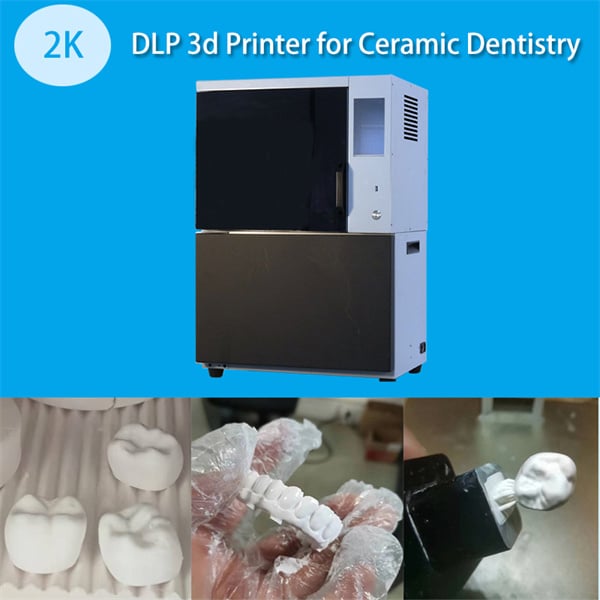
Ceramic 3D printing for small complex components is revolutionizing manufacturing by enabling the production of intricate designs with high precision. This technology allows for the creation of parts that would be challenging or impossible to manufacture using traditional methods. Buyers in the B2B sector often seek to understand the best practices for selecting a suitable printer, assessing part quality, and identifying applications across various industries. This article will guide you through essential factors to consider when utilizing ceramic 3D printing for your projects.
How to Choose the Right Ceramic 3D Printer for Small Components
Selecting the appropriate ceramic 3D printer is crucial for achieving the desired results in manufacturing small complex components. Start by assessing your specific application needs, including the type of ceramic materials you intend to use. Different printers support varying ceramic compositions, impacting the final product's mechanical properties and surface finish.
Consider the printer's resolution and layer height capabilities, as finer resolutions will yield more intricate details. Additionally, look for printers that offer customizable settings to accommodate specific project requirements. It's also wise to evaluate the manufacturer’s service offerings, such as lifetime technical support and guidance on printing technologies, which can significantly influence operational efficiency.
Lastly, factor in the printer's production capacity and minimum order quantities (MOQs). Understanding your expected production volume can help you select a machine that meets your throughput needs without excessive downtime.
Evaluating the Quality of Ceramic 3D Printed Parts for Your Projects
Quality evaluation of ceramic 3D printed parts begins with the assessment of the printer settings and the material used. The key specifications to monitor include dimensional accuracy, surface finish, and mechanical properties. Always request samples before committing to a large order this helps verify that the parts meet your design specifications and functional requirements.
In addition to visual inspections, consider conducting mechanical tests such as tensile strength and hardness evaluations to ensure the printed parts can withstand their intended application. These tests help identify potential weaknesses in the material or printing process. Engaging in a dialogue with the printer manufacturer regarding their quality control processes can also provide insights into how they maintain consistency in their outputs.
Key Specifications for Ceramic 3D Printing in Manufacturing Applications
When evaluating ceramic 3D printers for manufacturing applications, pay attention to the following specifications:
Material Compatibility: Ensure the printer can handle the specific types of ceramics required for your components. Different ceramic 3D printing service have unique thermal and mechanical properties, influencing their suitability for various applications.
Print Resolution: The layer height and resolution dictate the level of detail achievable in the final product. Higher resolutions are essential for intricate designs but may increase printing time.
Build Volume: Assess the maximum dimensions the printer can accommodate. This specification is critical for understanding the size of components that can be produced without the need for multiple parts.
Speed and Efficiency: Evaluate the printer's operational speed and how it fits into your production timeline. A faster printer may reduce lead times but consider trade-offs with quality.
Understanding these specifications will help ensure you select a printer that aligns with your production goals while meeting the quality standards necessary for your application.
Installation Guidance for Ceramic 3D Printed Components in Your Operations
Installing ceramic 3D printed components requires careful consideration of their intended use and environment. Begin by ensuring that the installation area is clean and free from contaminants, which can affect the performance of the ceramic parts.
Use appropriate tools for handling the components, as ceramic materials can be brittle and prone to chipping or breaking if mishandled. It is also essential to follow any specific installation guidelines provided by the manufacturer, particularly regarding any required curing processes post-printing.
During installation, ensure that alignment and fit are accurate to prevent any functional issues. Conduct trials to confirm that the components perform as expected under operational conditions. If you encounter any discrepancies, consult with the printer manufacturer for troubleshooting support.
Applications of Ceramic 3D Printing in Various Industries and Sectors
Ceramic 3D printing has found applications across multiple industries, each benefiting from its unique properties. In the dental sector, for instance, it enables the creation of highly detailed dental crowns and bridges, providing a perfect fit and aesthetic quality.
In jewelry manufacturing, intricate designs can be produced without the constraints of traditional methods, allowing for customization and rapid prototyping of complex pieces. The automotive industry also utilizes ceramic 3D printing machine for producing lightweight yet durable components that can enhance vehicle performance.
Furthermore, sectors like aerospace and electronics are leveraging the technology for creating specialized components that require high thermal resistance and precision. Understanding these applications can help you identify how ceramic 3D printing can be integrated into your operations, offering both innovation and efficiency.
By considering these factors when exploring ceramic 3D printing for small complex components, you can make informed decisions that enhance your manufacturing capabilities and meet your project requirements effectively.
Table of Contents
- How to Choose the Right Ceramic 3D Printer for Small Components
- Evaluating the Quality of Ceramic 3D Printed Parts for Your Projects
- Key Specifications for Ceramic 3D Printing in Manufacturing Applications
- Installation Guidance for Ceramic 3D Printed Components in Your Operations
- Applications of Ceramic 3D Printing in Various Industries and Sectors