
 EN
EN
 AR
AR
 BG
BG
 HR
HR
 CS
CS
 DA
DA
 NL
NL
 FI
FI
 FR
FR
 DE
DE
 EL
EL
 HI
HI
 IT
IT
 JA
JA
 KO
KO
 NO
NO
 PL
PL
 PT
PT
 RO
RO
 RU
RU
 ES
ES
 SV
SV
 TL
TL
 IW
IW
 ID
ID
 SR
SR
 SK
SK
 SL
SL
 VI
VI
 ET
ET
 HU
HU
 TH
TH
 TR
TR
 FA
FA
 MS
MS
 GA
GA
 CY
CY
 BE
BE
 IS
IS
 MY
MY

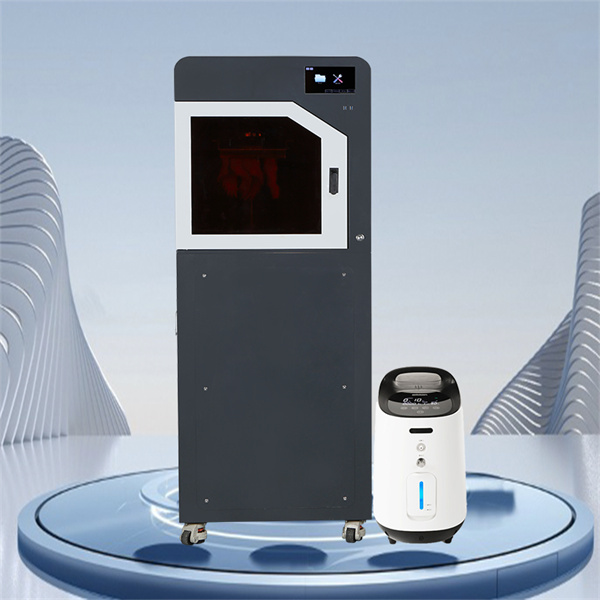
Top Down DLP Printing Systems for Ceramic Slurry are increasingly becoming the go-to solution for manufacturers aiming to achieve precision and efficiency in their production processes. These advanced printing systems utilize digital light processing technology to create intricate ceramic components, making them ideal for various applications in industries such as dental, jewelry, and precise molding. This article will assist purchasing managers, distributors, and engineers in understanding the key considerations when selecting a Top Down DLP printing system, ensuring they make informed decisions that align with their manufacturing needs.
What to Consider When Choosing Top Down DLP Printing Systems
When selecting a Top Down DLP Printing System for ceramic slurry, it’s crucial to consider several factors that can significantly impact performance and application suitability. First, assess the printing resolution and layer thickness capabilities of the system. Higher resolutions and thinner layers typically yield more detailed and accurate prints, which is particularly important in industries requiring precision, such as dental and jewelry manufacturing.
Next, evaluate the compatibility of the printer with various ceramic slurry formulations. Different slurries may have unique properties that affect flow rates, viscosity, and curing times. A printer that offers flexibility in adjusting settings for different slurries will provide better adaptability in production processes.
Additionally, consider the speed of the printing system. Faster printing speeds can enhance productivity, but they should not compromise the quality of the final product. It is advisable to review the printer's throughput to ensure it meets your operational requirements. Finally, the availability of technical support and training from the manufacturer can be an essential factor, as it ensures smooth operation and troubleshooting during production.
Key Specifications for High-Quality Ceramic Slurry Printing Systems
Choosing the right Top Down DLP Printing System involves understanding key specifications that impact performance.
Resolution: The printer should have a high resolution, typically measured in microns, to achieve detailed and intricate designs. For ceramic applications, a resolution of 50 microns or better is often preferred.
Build Volume: The size of the build volume determines the maximum dimensions of the printed parts. Ensure that the printer’s build volume aligns with the intended applications, particularly for larger components.
Layer Thickness: This specification affects the surface finish and detail of the print. A layer thickness of 25-100 microns is common, but finer layers may be necessary for high-detail applications.
Curing Time: The curing time for printed layers must be optimized to balance speed and quality. Fast curing times can improve productivity but may require careful material selection to avoid defects.
Material Compatibility: Verify the printer’s compatibility with various ceramic slurries, as some printers are designed to work with specific formulations. This flexibility can be crucial for manufacturers looking to expand their product offerings.
User Interface and Software: An intuitive user interface and robust software capabilities can streamline the printing process, allowing for easier adjustments and monitoring of print jobs.
Wholesale Options for Bulk Orders of Top Down DLP Printing Systems
For companies looking to invest in Top Down Industrial DLP 3D Printer Systems for ceramic slurry in larger quantities, exploring wholesale options can provide significant cost savings. Manufacturers like Shenzhen 3KU Technology and Science Co., LTD often offer discounts on bulk orders, making it essential for purchasing managers to inquire about pricing tiers based on order volume.
When requesting a bulk quote, it is essential to provide detailed information, including desired specifications, quantity, and any customization needs. This information allows suppliers to offer tailored solutions that meet specific operational requirements. Additionally, understanding the lead time for production and delivery is critical, as it can impact project timelines.
Inquire about warranty options and after-sales support for bulk purchases, as these factors can significantly affect the overall value of the investment. A reliable warranty and access to technical support can help mitigate risks associated with large-scale implementation.
Installation Guidance for Top Down DLP Printers in Industrial Settings
Installing Top Down DLP Printing Systems in an industrial setting requires careful planning and consideration of several factors to ensure optimal performance. First, assess the installation space to ensure it meets the printer's dimensional requirements and allows for adequate ventilation. Proper airflow is crucial, especially during the curing process of ceramic slurries.
Next, consider the electrical requirements of the printer. Ensure that the installation site has the necessary power supply and outlets to support the printer’s specifications. Additionally, evaluate any requirements for water or cooling systems, as some printers may require additional cooling mechanisms.
Training staff on the installation and operation of the printer is essential. Manufacturers often provide guidance on best practices for setup and maintenance, which can help prevent common issues during initial operations. Lastly, ensure that safety protocols are in place to protect operators from potential hazards associated with printer operations, such as exposure to UV light during curing.
A Buyer’s Perspective
From a buyer’s perspective, making an informed decision about Top Down DLP Printer for ceramic slurry involves understanding both the technical specifications and the practical implications of the purchase. Start by compiling a checklist of essential requirements based on your specific applications and production needs. This checklist should include desired print resolutions, build volumes, and material compatibility.
Once you have your specifications, engage with potential suppliers to gather quotations and product information. It’s advisable to request samples or demonstrations of the printer's capabilities to assess how well it meets your needs in real-world applications. Pay close attention to the quality of prints produced and whether the printer can handle the specific ceramic slurries you intend to use.
Finally, evaluate the supplier's reputation and support services. A dependable manufacturer should offer comprehensive customer service, including installation support and ongoing technical assistance. Making a well-rounded assessment of both the product and the supplier will ensure that you choose a Top Down DLP Printing System that aligns with your operational goals.