
 EN
EN
 AR
AR
 BG
BG
 HR
HR
 CS
CS
 DA
DA
 NL
NL
 FI
FI
 FR
FR
 DE
DE
 EL
EL
 HI
HI
 IT
IT
 JA
JA
 KO
KO
 NO
NO
 PL
PL
 PT
PT
 RO
RO
 RU
RU
 ES
ES
 SV
SV
 TL
TL
 IW
IW
 ID
ID
 SR
SR
 SK
SK
 SL
SL
 VI
VI
 ET
ET
 HU
HU
 TH
TH
 TR
TR
 FA
FA
 MS
MS
 GA
GA
 CY
CY
 BE
BE
 IS
IS
 MY
MY

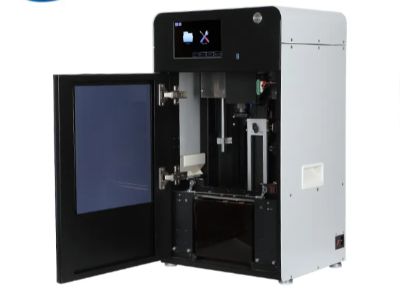
High-resolution DLP 3D printers for ceramic parts are revolutionizing manufacturing processes across various industries, including dental, jewelry, and precise molding applications. These printers offer exceptional detail and accuracy, which are critical for producing high-quality ceramic components. As a purchasing manager or engineer, you may have concerns about specifications, costs, and applications related to these printers. This article will guide you through key considerations when selecting high-resolution DLP 3D printers for ceramic parts, helping you make informed purchasing decisions.
Key Specifications to Consider
When evaluating high-resolution DLP 3D printer for ceramic parts, several key specifications should be prioritized. First, the build volume is crucial; it determines the maximum size of parts you can produce. Consider your production needs carefully, as a larger build volume may enhance flexibility but also increases costs.
Next, resolution is paramount. Look for printers that offer high pixel resolution, typically measured in microns, as this directly impacts the surface finish and detail of your ceramic parts. A printer with a lower minimum layer thickness can create finer details, which is essential for intricate designs.
Additionally, consider the compatibility of the printer with various ceramic materials. Some printers may require specific resin formulations, which can affect production processes and costs. Understanding the printer's material compatibility will help ensure that you can produce the desired ceramic parts without unexpected challenges.
What to Look for in Ceramic Parts Printing
When selecting a printer for ceramic parts, it’s essential to consider the specific requirements of your applications. First, assess the mechanical properties required for your ceramic parts, such as strength, brittleness, and thermal resistance. Each application may require different performance characteristics, so ensure the printer can produce parts that meet these specifications.
Customization capabilities are also important. Many manufacturers, including Shenzhen 3KU Technology and Science Co., LTD, offer tailored solutions. This may include adjustments to the printer's software or hardware to better suit your production needs.
Moreover, the printer's ease of use, including its software interface and maintenance requirements, should not be overlooked. A user-friendly system can significantly reduce training time for your staff and improve operational efficiency.
Understanding the Cost Factors of High-Resolution DLP 3D Printers
Cost is a major factor in your decision-making process when choosing high-resolution DLP machine. Initial purchase price is just one aspect; consider total cost of ownership, which includes maintenance, operational costs, and material expenses.
Material costs can vary widely depending on the type of ceramic resin used. It's vital to understand the cost implications of different materials and how they affect overall production budgets. Additionally, inquire about minimum order quantities (MOQs) for materials, as this can influence your purchasing strategy.
Another cost factor is technical support and service agreements. Reliable after-sales support, as offered by 3KU Technology, can help mitigate downtime and production losses, ultimately impacting your bottom line. Be sure to evaluate the level of technical support included with your printer purchase.
Installation Guidance for DLP 3D Printers
Proper installation is critical for optimal performance of high-resolution DLP 3D printers. When the printer arrives, ensure that you have the necessary space, utilities, and environmental conditions to support its operation. The setup area should be clean and free from dust to prevent contamination of the ceramic materials.
Follow the manufacturer's installation guidelines carefully. This includes calibrating the printer and performing initial tests to confirm that all systems are functioning properly. It's advisable to conduct a test print using a sample ceramic material to verify performance before beginning full-scale production.
If you lack experience in printer installation, consider leveraging the technical support services provided by the manufacturer. Experienced technicians can assist with setup, ensuring your printer operates smoothly from the outset.
Applications of High-Resolution DLP 3D Printers in Manufacturing
High-resolution DLP 3D printers are increasingly being used in various manufacturing sectors. In the dental industry, for instance, these printers enable the creation of customized dental prosthetics and models with high precision and accuracy. The ability to produce parts quickly and at lower costs makes DLP technology particularly appealing for dental applications.
In the jewelry sector, DLP printers allow for the creation of intricate designs that would be challenging to achieve with traditional manufacturing methods. The fine detail and smooth surface finish provided by DLP printing process can enhance the quality of jewelry pieces, making them more appealing to consumers.
Additionally, in precise molding applications, these printers can produce molds that are highly detailed and accurately shaped, which is crucial for industries that require tight tolerances. By leveraging the advantages of high-resolution DLP printing, manufacturers can streamline their operations and reduce time-to-market for new products.
In summary, when selecting high-resolution DLP 3D printers for ceramic parts, consider specifications such as build volume and resolution, ensure compatibility with required materials, and understand the total cost of ownership. Proper installation and applications in various industries further enhance the value these printers provide, positioning them as a vital tool for modern manufacturing processes.