
 EN
 AR
 BG
 HR
 CS
 DA
 NL
 FI
 FR
 DE
 EL
 HI
 IT
 JA
 KO
 NO
 PL
 PT
 RO
 RU
 ES
 SV
 TL
 IW
 ID
 SR
 SK
 SL
 VI
 ET
 HU
 TH
 TR
 FA
 MS
 GA
 CY
 BE
 IS
 MY

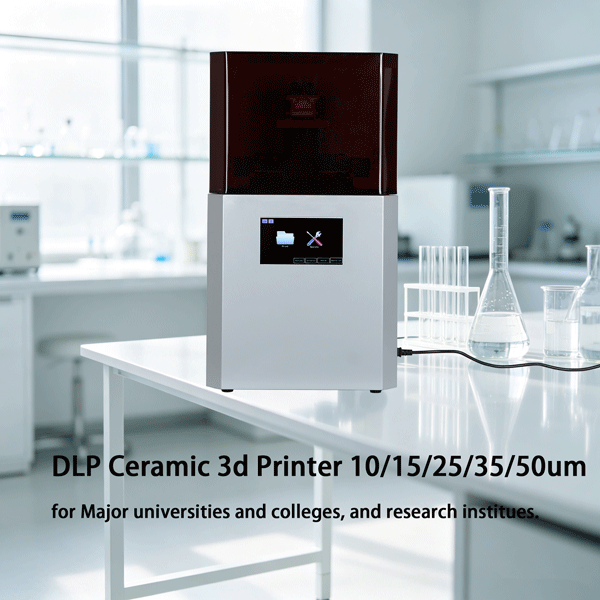
Ceramic 3D printer technology for complex internal channels is revolutionizing the manufacturing landscape, allowing businesses to create intricate designs that were once impossible with traditional methods. For B2B buyers, the primary concerns typically include product reliability, manufacturing capabilities, material selection, and overall cost-effectiveness. This article aims to provide insights into the key considerations when selecting ceramic 3D printers, delve into specifications that matter, address common issues, and offer practical installation guidance for integrating these printers into manufacturing environments.
What to Consider When Choosing Ceramic 3D Printers for Projects
Selecting the right ceramic 3D printer involves understanding the specific needs of your project. First, consider the complexity of the designs you intend to create. Printers that support intricate internal channels require advanced printing technology, such as DLP or SLA, which can offer higher resolution and precision.
Next, evaluate the materials you plan to use. Different ceramic materials can impact the mechanical properties, thermal resistance, and aesthetic qualities of the final product. It’s essential to ensure that the printer can handle the specific ceramic formulations you require.
Additionally, assess the customization options available. Many manufacturers, including Shenzhen 3KU Technology and Science Co., LTD, provide tailored solutions for software and functionality, which can significantly enhance your production process. Customization ensures that the printer aligns closely with your operational requirements.
Finally, consider the support services offered by the manufacturer. Lifetime technical support and printing technology guidance are crucial for troubleshooting and optimizing production efficiency.
Key Specifications of Ceramic 3D Printers for Complex Internal Channels
When evaluating ceramic 3D printers, certain specifications are critical for ensuring performance and suitability for complex internal channels:
Print Resolution: The resolution determines the level of detail achievable in your prints. Higher resolutions are essential for intricate designs, influencing the smoothness of surfaces and the accuracy of internal features.
Build Volume: Assess the maximum dimensions of the prints you need. A larger build volume allows for more extensive projects but may come at a higher cost.
Layer Thickness: Thinner layers can produce finer details but may increase the printing time. Understanding the trade-off between speed and quality is essential.
Material Compatibility: Ensure the printer can work with the specific types of ceramic materials you intend to use, as different materials often require different handling and printing conditions.
Printing Speed: Evaluate the printer’s speed, particularly if you have tight deadlines. Faster printing can reduce overall production time but may compromise quality if not managed properly.
By carefully considering these specifications, you can choose a ceramic 3D printer that best meets your project needs.
How to Evaluate the Quality of Ceramic 3D Printing Technology
Evaluating the quality of ceramic 3D printing service technology involves several key factors:
Sample Testing: Before committing to a printer, it’s advisable to request sample prints. This allows you to assess the printer’s capabilities in producing detailed and accurate representations of your designs.
Material Properties: Investigate the mechanical and thermal properties of the printed ceramics. Ensure that the final products meet your application requirements, such as strength, heat resistance, and chemical stability.
Print Consistency: Quality control is paramount in manufacturing. Evaluate how consistently the printer produces results over multiple runs. Variability in print quality can lead to increased costs and waste.
Customer Reviews and Case Studies: Look for feedback from other users in your industry. Case studies can provide insights into how the technology performs under real-world conditions.
Manufacturer Support: A reputable manufacturer will offer robust after-sales support, including troubleshooting and maintenance guidance. This support can greatly influence the long-term success of your investment.
By focusing on these areas, you can make an informed decision about the quality of the ceramic 3D printing technology you are considering.
Common Problems in Ceramic 3D Printing and Their Solutions
Ceramic 3D printing can present several challenges, but understanding these issues can help you mitigate risks:
Cracking During Drying: One common problem is cracking during the drying phase. This can be addressed by controlling the drying environment, such as maintaining even temperatures and humidity levels to ensure uniform drying.
Poor Layer Adhesion: Insufficient bonding between layers can lead to structural weaknesses. To address this, ensure that the printer settings are optimized for the chosen material, including temperature and layer thickness.
Warping: Warping can occur due to uneven cooling. Implementing a controlled cooling process can help maintain the integrity of the prints, reducing the likelihood of warping.
Inconsistent Print Quality: Variability in print quality can arise from material inconsistencies or printer calibration issues. Regular maintenance and calibration checks are essential to ensure consistent performance.
Technical Support Challenges: Lack of access to technical support can hinder troubleshooting. Choosing a manufacturer that provides comprehensive support can alleviate this issue and enhance your production experience.
By being aware of these common problems and their solutions, you can improve the efficiency and reliability of your ceramic 3D printing processes.
Installation Guidance for Ceramic 3D Printers in Manufacturing Settings
Installing ceramic printer machine in manufacturing environments requires careful planning and consideration. Here are some practical steps to ensure a successful installation:
Site Preparation: Ensure the installation site has the necessary infrastructure, including power supply, ventilation, and space for the printer and associated equipment. Consider the printer’s footprint and the need for access to materials and finished products.
Environmental Control: Maintain a stable environment, as fluctuations in temperature and humidity can affect printing quality. Consider installing climate control systems to manage these factors effectively.
Equipment Setup: Follow the manufacturer’s guidelines for setting up the printer. Proper alignment and calibration are crucial for optimal performance.
Software Installation: Ensure that the necessary software for printing and monitoring is installed and configured correctly. This software often includes features for slicing models and managing print jobs.
Training: Provide comprehensive training for operators to ensure they understand how to use the printer effectively and troubleshoot common issues. This investment in training can lead to better utilization of the equipment and higher quality outputs.
By following these installation guidelines, you can integrate ceramic 3D printers into your manufacturing processes smoothly, setting the stage for successful production of complex internal channels.
Table of Contents
- What to Consider When Choosing Ceramic 3D Printers for Projects
- Key Specifications of Ceramic 3D Printers for Complex Internal Channels
- How to Evaluate the Quality of Ceramic 3D Printing Technology
- Common Problems in Ceramic 3D Printing and Their Solutions
- Installation Guidance for Ceramic 3D Printers in Manufacturing Settings