
 EN
EN
 AR
AR
 BG
BG
 HR
HR
 CS
CS
 DA
DA
 NL
NL
 FI
FI
 FR
FR
 DE
DE
 EL
EL
 HI
HI
 IT
IT
 JA
JA
 KO
KO
 NO
NO
 PL
PL
 PT
PT
 RO
RO
 RU
RU
 ES
ES
 SV
SV
 TL
TL
 IW
IW
 ID
ID
 SR
SR
 SK
SK
 SL
SL
 VI
VI
 ET
ET
 HU
HU
 TH
TH
 TR
TR
 FA
FA
 MS
MS
 GA
GA
 CY
CY
 BE
BE
 IS
IS
 MY
MY

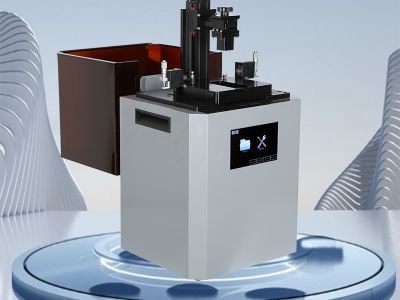
Zirconia 3D printers are revolutionizing dental laboratory production by enabling the creation of highly precise and durable dental restorations. For B2B buyers, such as dental laboratories and purchasing managers, the right printer can significantly impact productivity, quality, and cost efficiency. This article will guide you through essential considerations when selecting zirconia 3d printing for dental applications, focusing on key specifications, quality evaluation, cost factors, and critical insights for making informed purchasing decisions.
Choosing the Right Zirconia 3D Printer for Dental Laboratory Needs
Selecting the right Zirconia 3D printer involves understanding your specific production requirements. Different models offer varying capabilities, such as build volume, printing speed, and compatible materials. For instance, if your laboratory specializes in producing crowns and bridges, a printer with a larger build volume may be necessary to accommodate larger cases or multiple restorations in a single print.
Additionally, consider the type of zirconia materials your printer can handle, as this can affect the quality and strength of the final product. A printer that supports a range of zirconia formulations can provide flexibility in responding to diverse customer needs. Furthermore, customization options for the printer's software and functionality can enhance its usability, allowing for integration into your existing workflows.
Key Specifications to Consider for Zirconia 3D Printers
When evaluating Zirconia 3D printers, several key specifications should be prioritized:
Layer Thickness: This determines the precision of the print. Thinner layers result in finer details, which are crucial for dental applications where fit and aesthetics are paramount.
Printing Speed: The speed at which a printer can operate directly impacts productivity. For dental labs, faster printing can lead to quicker turnaround times, allowing you to meet customer demands efficiently.
Build Volume: The maximum size of the object that can be printed is important for accommodating different dental applications. A larger build volume can allow for multiple prints simultaneously.
Material Compatibility: Ensure that the printer is compatible with high-quality zirconia materials. Different formulations may offer varying strength, translucency, and aesthetics, which are essential for dental restorations.
Post-Processing Requirements: Some printers may require additional steps for curing or finishing, which can affect overall production time and workflow efficiency.
Understanding these specifications will help you choose a printer that aligns with your laboratory's specific operational needs and production goals.
Evaluating the Quality of Zirconia 3D Printed Dental Products
The quality of 3D printed dental products is critical for ensuring patient satisfaction and compliance with dental standards. Here are several factors to consider when evaluating the quality of zirconia printer prints:
Dimensional Accuracy: Check the printer's capability to maintain precise dimensions according to CAD designs. Any discrepancies can lead to poor fit and functionality.
Surface Finish: The smoothness of the printed surface affects not only aesthetics but also the performance of the restoration. A rough surface can harbor bacteria and affect long-term durability.
Strength and Durability: Assess the mechanical properties of the printed zirconia. It should meet or exceed industry standards for strength, especially for load-bearing applications such as crowns and bridges.
Color Matching: For aesthetic restorations, the ability to match natural tooth color is important. Review sample prints for color fidelity and translucency.
Testing and Certification: Ensure that the printer and materials are backed by relevant certifications and have undergone rigorous quality testing to guarantee reliability.
By focusing on these quality indicators, buyers can make more informed decisions and select printers that will produce superior dental products.
Cost Factors When Sourcing Zirconia 3D Printers in Bulk
When sourcing Zirconia 3D printers, particularly for bulk purchases, several cost factors come into play:
Initial Purchase Price: While lower initial costs may be appealing, consider the long-term operational costs, including maintenance and material expenses.
Material Costs: The price of zirconia materials can vary significantly. Understanding the cost per print and the material yield from each printer is crucial for budgeting.
Customization Options: Customization capabilities may incur additional costs but can enhance your production efficiency. Evaluate the value against the investment required.
Service and Support: Consider the long-term costs associated with technical support and maintenance. A supplier offering lifetime technical support and guidance can save costs in the long run.
Shipping and Import Fees: If importing printers, account for shipping costs, tariffs, and potential delays. These can impact overall expenditure and lead times.
Understanding these cost factors will help you make a financially sound decision when sourcing Zirconia 3D printers for your dental laboratory.
What to Know?
Before making a purchase, it is essential to gather specific information and clarify your requirements. Here are some critical points to consider:
Production Capacity: Assess your laboratory's current and projected production needs. This will help determine the printer's capabilities needed to meet demand.
Technical Drawings and Samples: When requesting quotes, provide detailed technical drawings and, if possible, ask for sample prints. This can help validate the printer's performance before a larger commitment.
Lead Time: Confirm the expected lead time for delivery and installation. This is crucial for planning your production schedule and ensuring minimal disruption.
Quality Inspection Procedures: Establish how you will verify the quality of the first few prints. Implementing a quality control process will ensure that the products meet your standards from the outset.
By addressing these considerations, you can strategically prepare for discussions with suppliers and ensure that you choose the right Zirconia dlp 3d printer for your dental laboratory's needs.