
 EN
 AR
 BG
 HR
 CS
 DA
 NL
 FI
 FR
 DE
 EL
 HI
 IT
 JA
 KO
 NO
 PL
 PT
 RO
 RU
 ES
 SV
 TL
 IW
 ID
 SR
 SK
 SL
 VI
 ET
 HU
 TH
 TR
 FA
 MS
 GA
 CY
 BE
 IS
 MY

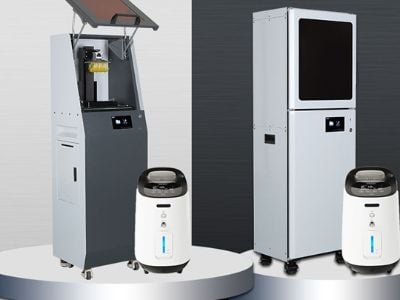
DLP (Digital Light Processing) 3D printing has emerged as a transformative technology in the manufacturing of fine ceramic structures. This process utilizes light to cure liquid resin into solid objects, offering high precision and intricate detailing that are often required in applications such as dental prosthetics, jewelry, and precise moldings. For B2B buyers, understanding why DLP 3D printing is effective for fine ceramic structures can address key concerns about quality, production efficiency, and customization. This article will explore the benefits of DLP technology, sourcing considerations, installation guidance, common challenges, and how to choose the right printer for ceramic projects.
How DLP 3D Printing Enhances Fine Ceramic Structure Quality?
DLP 3D printing delivers exceptional quality in fine ceramic structures due to its ability to create highly detailed and complex geometries. The process uses a digital light source to selectively cure resin layer by layer, allowing for fine resolutions and smooth surface finishes. This level of accuracy is crucial in applications where intricate designs and precise dimensions are required, such as dental crowns and custom jewelry.
The material properties of the resin used in DLP printing also contribute to the overall quality. DLP-specific resins can be engineered to exhibit desirable characteristics, such as high strength, durability, and resistance to thermal and chemical exposure. The ability to fine-tune these properties ensures that the final product meets the necessary performance requirements for its intended application. Buyers should assess the resin material compatibility with their specific ceramic needs and ensure that the dlp printer supports the required resin types.
Where to Source Reliable DLP 3D Printing Solutions for Ceramics?
Sourcing reliable DLP 3D printing solutions for ceramics starts with identifying reputable manufacturers known for their expertise in this technology. Shenzhen 3KU Technology and Science Co., LTD, for example, specializes in a range of 3D printing technologies, including DLP, and offers comprehensive customization services. When evaluating potential suppliers, consider the following aspects:
Product Range: Look for manufacturers that provide a variety of DLP printer models suitable for different scales and types of ceramic applications.
Technical Support: Ensure that the supplier offers lifetime technical support and guidance on printing technology, which is crucial for maintaining production efficiency.
Customization Options: Verify that the supplier can customize the printer's software and functionality to meet specific production needs.
Customer Reviews: Research past customer experiences and success stories to gauge the effectiveness and reliability of the supplier's products.
By focusing on these factors, buyers can ensure they partner with a manufacturer that aligns with their quality and operational needs.
Installation Guidance for DLP 3D Printing in Ceramic Manufacturing
Proper installation of DLP 3D printers is essential for optimal performance in ceramic manufacturing. Here are key steps to follow during the installation process:
Site Preparation: Ensure that the chosen installation location has adequate power supply, ventilation, and access to necessary resources (water, cleaning solutions).
Calibration: Follow the manufacturer's guidelines for calibrating the printer. This includes setting the build platform level and ensuring the light source is properly aligned to achieve uniform curing.
Material Loading: Carefully load the DLP resin into the printer, ensuring that it is compatible with the dlp machine and the intended ceramic application. Proper handling and storage of the resin are critical to avoid contamination.
Initial Testing: Conduct initial test prints to evaluate the setup. These tests should help identify any adjustments needed in settings or parameters before scaling up to full production.
Following these steps can minimize operational issues and enhance the efficiency of the DLP 3D printing process.
Common Challenges in DLP 3D Printing and Effective Solutions
While DLP 3D printing offers numerous benefits, it is not without challenges. Some common issues include:
Resin Curing Problems: Inconsistent curing can lead to defects in the final product. To mitigate this, regularly check the light source and ensure that the resin is within its shelf life and properly mixed.
Print Adhesion: Models may detach from the build platform during the printing process. This can be addressed by ensuring the platform is clean and properly leveled, and by using adhesion aids like specialized build surfaces.
Post-Processing Needs: DLP prints require post-processing, including washing and curing. Establish a streamlined workflow for these steps to reduce turnaround time and ensure quality.
By proactively addressing these challenges, buyers can enhance the reliability and quality of their dlp printing operations.
Choosing the Right DLP 3D Printer for Fine Ceramic Projects
Selecting the appropriate DLP 3D printer for fine ceramic projects involves understanding specific project requirements and the printer's capabilities. Consider these factors:
Build Volume: Assess the maximum dimensions of the ceramic structures to be printed. Ensure the printer has a build volume that accommodates the intended designs.
Layer Resolution: Look for printers that offer adjustable layer thickness. A smaller layer height improves detail but may increase print time; balance is key.
Material Compatibility: Confirm that the printer supports the range of DLP resins suited for ceramics. This ensures flexibility in material selection for various applications.
Software Features: Evaluate the printer's software for ease of use, customization options, and compatibility with design files. Advanced software can significantly streamline the print preparation process.
By carefully considering these criteria, buyers can select a DLP printer that aligns with their operational goals and production needs, ensuring a successful implementation of 3D printing technology in their ceramic manufacturing processes.
Table of Contents
- How DLP 3D Printing Enhances Fine Ceramic Structure Quality?
- Where to Source Reliable DLP 3D Printing Solutions for Ceramics?
- Installation Guidance for DLP 3D Printing in Ceramic Manufacturing
- Common Challenges in DLP 3D Printing and Effective Solutions
- Choosing the Right DLP 3D Printer for Fine Ceramic Projects