
 EN
 AR
 BG
 HR
 CS
 DA
 NL
 FI
 FR
 DE
 EL
 HI
 IT
 JA
 KO
 NO
 PL
 PT
 RO
 RU
 ES
 SV
 TL
 IW
 ID
 SR
 SK
 SL
 VI
 ET
 HU
 TH
 TR
 FA
 MS
 GA
 CY
 BE
 IS
 MY

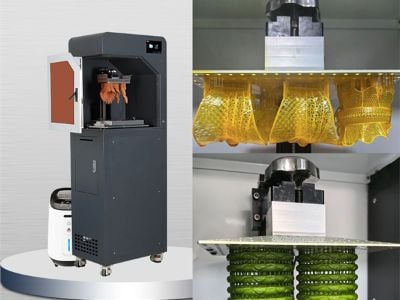
Flexible resin 3D printing is a specialized process that allows for the production of complex, durable parts with excellent elasticity and surface finish. As a B2B buyer, understanding the production requirements for flexible resin 3D printing is crucial for making informed purchasing decisions. This article will delve into key specifications, quality control processes, supplier sourcing, and the comparison of flexible resin options to help you navigate this complex landscape effectively
What Are the Key Specifications for Flexible Resin 3D Printing
When selecting flexible resin printer for 3D printing, several key specifications must be considered to ensure the final product meets your application requirements
Viscosity: This affects the flow characteristics of the resin during the printing process. Higher viscosity resins may require more force to dispense, which can impact the speed and quality of the print. Buyers should confirm the viscosity specifications to ensure compatibility with their chosen printer model
Tensile Strength: This measures the resin's ability to withstand tension before failing. For applications requiring flexibility, a tensile strength of at least 10-20 MPa is typically desirable. Ensure that the specified tensile strength aligns with the intended use of the printed part
Elongation at Break: This indicates how much the resin can stretch before breaking, which is crucial for flexible applications. Look for resins with elongation rates above 100% for optimal flexibility
Hardness: Measured in Shore A, the hardness of the resin affects its feel and durability. A Shore A rating between 30 to 80 is common for flexible resins, depending on the desired application characteristics
Curing Time: The time required for the resin to fully cure can impact production schedules. Fast-curing resins may be preferable for high-volume applications, while slower-curing options might offer better surface quality
Understanding these specifications helps ensure that the selected resin aligns with the operational and performance requirements of your 3D printing projects
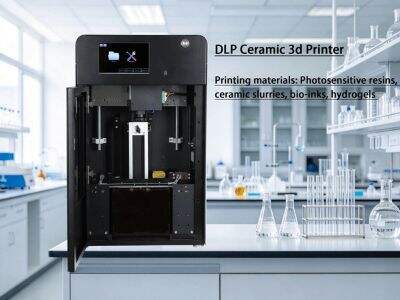
Understanding the Quality Control Process in Flexible Resin Production
Quality control in flexible resin printer production is vital to ensure consistency and reliability in the final printed products. Here are some key aspects of the quality control process
Material Testing: Before production, raw materials must be tested for purity and consistency. This includes checking for contaminants and ensuring that the resin's chemical composition meets the specified standards
Batch Testing: Each batch of resin should undergo rigorous testing for key specifications, such as viscosity, tensile strength, and curing time. This testing ensures that any variations in the production process are identified and addressed before the resin is released for use
Sample Approval: Buyers should request samples from suppliers to evaluate the resin’s performance under actual operating conditions. This includes assessing print quality, flexibility, and durability. It’s crucial to test samples on the same printer that will be used for mass production
Compliance with Industry Standards: Ensure that the resin meets relevant industry standards, which may vary depending on the application (such as, medical, automotive). Certifications can provide reassurance regarding the resin's quality and safety
Customer Feedback Loop: Establishing a feedback mechanism helps identify any quality issues in real-time, allowing for prompt resolutions and continuous improvement in the product line
By understanding the quality control process, buyers can better evaluate potential suppliers and ensure they are sourcing high-quality flexible resin
Where to Source Reliable Suppliers for Flexible Resin 3D Printers
Sourcing reliable suppliers for flexible resin 3D printers involves a few strategic steps
Industry Associations and Trade Shows: Attending industry events can provide valuable networking opportunities. This allows you to meet manufacturers face-to-face, assess their offerings, and obtain samples
Online Marketplaces and Directories: Platforms such as Alibaba or ThomasNet can help you find manufacturers specializing in flexible resin. Look for suppliers with positive reviews and a proven track record of quality
Technical Specifications: Reach out to suppliers to discuss their technical capabilities and specifications. Ask about their production processes, customization options, and lead times
Certifications and Compliance: Verify that potential suppliers have the necessary certifications related to quality management, environmental standards, and product safety. This adds an extra layer of trustworthiness
Customer References: Don’t hesitate to request references from past clients. This can provide insights into their reliability, customer service, and product performance
By conducting thorough research and vetting potential suppliers, you can ensure that you are partnering with manufacturers who can meet your production needs effectively
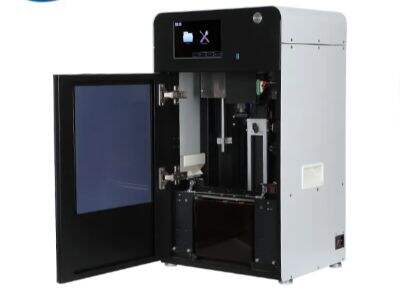
Comparing Flexible Resin Options for Different Printing Projects
When evaluating flexible resin options, it's important to consider various factors to ensure the selected material aligns with the specific needs of your project
Application Suitability: Different projects may require varying degrees of flexibility, durability, and chemical resistance. For example, dental applications may prioritize biocompatibility, while automotive parts may require higher tensile strength and temperature resistance
Performance Characteristics: Evaluate the performance characteristics of the resin, such as UV stability, impact resistance, and compression set. This is particularly important for parts that will undergo stress or exposure to harsh environments
Cost Considerations: Pricing can vary significantly based on the resin's properties and the supplier. Be sure to consider the total cost of ownership, including not just the unit price but also any potential costs related to post-processing or additional materials
Customization Capabilities: Some suppliers offer customizable resin formulations tailored to specific applications. If your project requires unique characteristics, inquire about the potential for custom formulations
Lead Time: Ensure that the lead time for the resin aligns with your project timelines. Some suppliers may have stock resins readily available, while custom formulations may require longer lead times
Sourcing Flexible Resin for Your Business Needs
When sourcing flexible resin for your business needs, consider the following steps
Define Your Requirements: Clearly outline your specific application needs, including performance specifications, environmental conditions, and any regulatory compliance requirements
Request Quotes: When engaging suppliers, provide detailed information about your needs, including required quantities, desired specifications, and any customization preferences. This helps suppliers provide accurate quotes and timelines
Evaluate Samples: Prior to committing to a large order, verify the resin's performance by testing samples. Ensure that the samples reflect the production conditions and meet your quality expectations
Check for Technical Support: A reliable supplier should offer technical support, including guidance on best practices for printing with their resins. This can be invaluable, especially for new users
Consider Long-Term Relationships: Building a long-term relationship with a supplier can lead to better pricing, more tailored products, and improved service. Look for suppliers willing to partner with you as your needs evolve
By taking these strategic steps, you can effectively source the right flexible resin for your specific business applications, ensuring high-quality results in your 3D printing projects
Table of Contents
- What Are the Key Specifications for Flexible Resin 3D Printing
- Understanding the Quality Control Process in Flexible Resin Production
- Where to Source Reliable Suppliers for Flexible Resin 3D Printers
- Comparing Flexible Resin Options for Different Printing Projects
- Sourcing Flexible Resin for Your Business Needs