
 EN
 AR
 BG
 HR
 CS
 DA
 NL
 FI
 FR
 DE
 EL
 HI
 IT
 JA
 KO
 NO
 PL
 PT
 RO
 RU
 ES
 SV
 TL
 IW
 ID
 SR
 SK
 SL
 VI
 ET
 HU
 TH
 TR
 FA
 MS
 GA
 CY
 BE
 IS
 MY

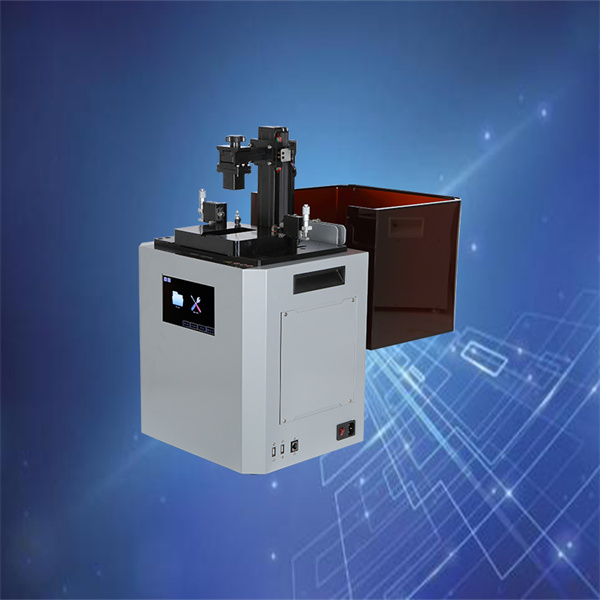
Ceramic 3D printers are revolutionizing manufacturing by enabling the creation of intricate geometries that were previously challenging or impossible with traditional methods. This technology is particularly advantageous for industries such as dental, jewelry, and precision molding, where detail and accuracy are paramount. We will explore how ceramic 3D printers achieve complex geometries, address common challenges faced in ceramic printing, compare different models, and provide essential installation guidance. Understanding these aspects will help purchasing managers, engineers, and product managers make informed decisions when considering ceramic 3D printers for their applications.
How Ceramic 3D Printers Achieve Complex Geometries for Manufacturing
Ceramic 3D printers utilize advanced additive manufacturing techniques to construct intricate geometries layer by layer. The process typically involves using a liquid ceramic material that is cured using light or heat, depending on the technology employed be it DLP (Digital Light Processing) or SLA (Stereolithography). This layer-by-layer approach allows for the precise control of design features, enabling the production of complex shapes, fine details, and internal structures that would be difficult to achieve with traditional ceramic manufacturing methods.
Moreover, ceramic 3D printer allows for customization in the design phase, accommodating unique specifications that meet specific client needs. For instance, intricate lattice structures can enhance the mechanical properties of components while minimizing material usage. This capability is especially beneficial in industries like dental prosthetics, where the fit and aesthetic of the final product are crucial.
Common Problems with Ceramic 3D Printing and Effective Solutions
Despite the advantages, ceramic 3D printing can present challenges. One common issue is the cracking of parts during the drying or firing process. This often stems from rapid moisture loss or uneven heating. To mitigate this, manufacturers should implement controlled drying environments and gradual heating profiles to reduce thermal stress.
Another challenge is the layer adhesion quality, which can affect the mechanical strength of the final product. Ensuring optimal printer settings, such as exposure time and layer thickness, is vital. Additionally, using high-quality ceramic materials that are specifically formulated for 3D printing can enhance layer bonding and overall durability.
Buyers should also be aware of the potential for warping and dimensional inaccuracies, which can result from improper calibration of the printer or inadequate support structures. Conducting thorough pre-production testing and sample approvals can help identify these issues early on and ensure that the final products meet required specifications.
How to Compare Different Ceramic 3D Printer Models for Your Needs
When evaluating ceramic 3D printing machine models, buyers should consider several key factors. First, assess the printer's build volume, as larger volumes allow for bigger parts or multiple components to be produced simultaneously. Next, examine the printer's resolution capabilities, which directly impact the detail and quality of the final output.
Additionally, consider the types of ceramic materials compatible with the printer. Different models may support various materials, influencing the application range and performance characteristics. It's also essential to review customization options the manufacturer offers, such as software adjustments, hardware modifications, or unique print settings tailored to specific applications.
Finally, evaluate after-sales support and technical assistance offered by the manufacturer. Reliable support can significantly influence operational efficiency, particularly when integrating new technology into existing manufacturing processes.
A Comprehensive Overview
Shenzhen 3KU Technology and Science Co., LTD specializes in manufacturing a range of ceramic 3D printers, including FDM, DLP, and SLA models. Each printer is designed with unique specifications to cater to diverse industrial applications, such as dental prosthetics and jewelry design. The company emphasizes customization in both functionality and appearance, allowing businesses to align the technology with their specific operational needs.
In addition to offering advanced printing technology, 3KU provides lifetime technical support and guidance, ensuring that clients maximize the potential of their printers. This ongoing support is crucial for navigating the complexities of ceramic 3D printing, particularly for those new to the technology. Their commitment to quality is evident in their rigorous quality control processes, which are essential for maintaining high standards in production.
Installation Guidance for Optimal Performance of Ceramic 3D Printers
Proper installation and setup of ceramic 3D printers are critical for achieving optimal performance. Buyers should ensure that the printer is placed on a stable, vibration-free surface to minimize disturbances during operation. Furthermore, adequate ventilation is essential, particularly when using materials that may emit fumes during the printing process.
During installation, it is crucial to calibrate the printer according to the manufacturer's guidelines. This includes setting the correct print bed level, ensuring that the extrusion system is functioning properly, and configuring the printer's software settings for the specific ceramic material being used.
Buyers should also conduct a thorough review of the printer's maintenance requirements. Regular cleaning and calibration checks can prevent operational issues and extend the lifespan of the machine. Additionally, maintaining a supply of replacement parts and materials can help minimize downtime and keep production running smoothly.
In summary, understanding how ceramic 3D printing service build intricate geometries and addressing the common challenges associated with their use is essential for any B2B buyer in the manufacturing sector. By considering the factors outlined, purchasing managers and engineers can make informed decisions that align with their operational requirements and quality standards.