
DLP LCD 3D printers represent a significant advancement in additive manufacturing, particularly in industries like dental, jewelry, and precise molding applications. As a B2B buyer, you may have concerns about product specifications, pricing, and quality assurance when considering these printers. This article aims to provide an in-depth understanding of DLP LCD 3D printers, helping you make informed purchasing decisions.
When evaluating DLP LCD 3D printers, several key specifications should be at the forefront of your decision-making process:
Resolution: DLP LCD printers are known for their high resolution, typically measured in microns (µm). A lower micron count indicates finer detail. For instance, a printer with a resolution of 50 µm will produce sharper details than one with 100 µm.
Build Volume: This refers to the maximum size of the object that can be printed. Common build volumes range from small (around 120x68x170 mm) to larger options (up to 300x300x600 mm). Choose a printer that matches your production needs.
Layer Thickness: Layer thickness impacts the speed and quality of the print. Common settings range from 0.01 mm to 0.1 mm. Thinner layers produce finer details but may increase print time.
Printing Speed: Measured in millimeters per hour (mm/h), faster printing speeds can significantly affect productivity. Depending on the model, speeds can vary widely, so consider how this aligns with your operational requirements.
Material Compatibility: DLP LCD printers typically use photopolymer resins. Understanding the types of resins compatible with a specific printer is crucial, as different applications may require different material properties. For instance, the High Resolution Double Tank Top-down Ceramic Paste 3D Printer is designed for specific ceramic materials.
Software Features: The ease of use and features of the included software can affect your workflow efficiency. Look for software that allows for easy slicing, print preparation, and monitoring.
Understanding these specifications helps ensure that you select a DLP LCD 3D printer suited for your specific applications and industry requirements.
Pricing for DLP LCD 3D printers can vary widely based on several factors:
Initial Purchase Price: While entry-level models may start at a few thousand dollars, high-end printers with advanced features can cost significantly more. Determine your budget based on production needs and expected ROI.
Operating Costs: Consider the cost of resins, maintenance, and electricity. Resins can vary in price, so calculating the material cost per print is essential for budgeting.
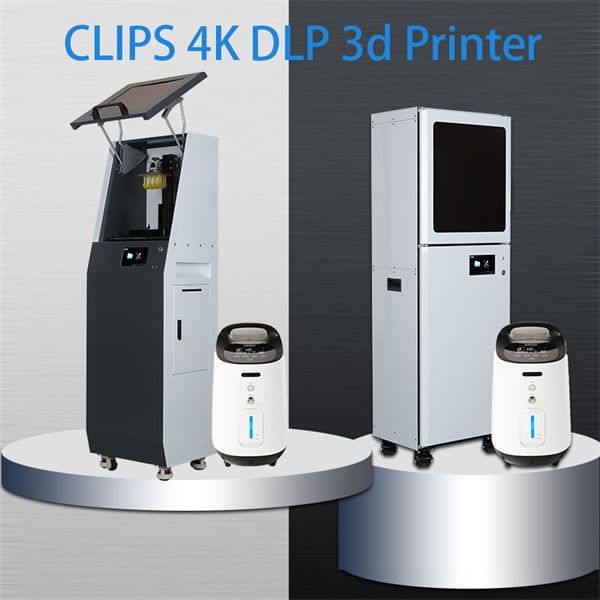
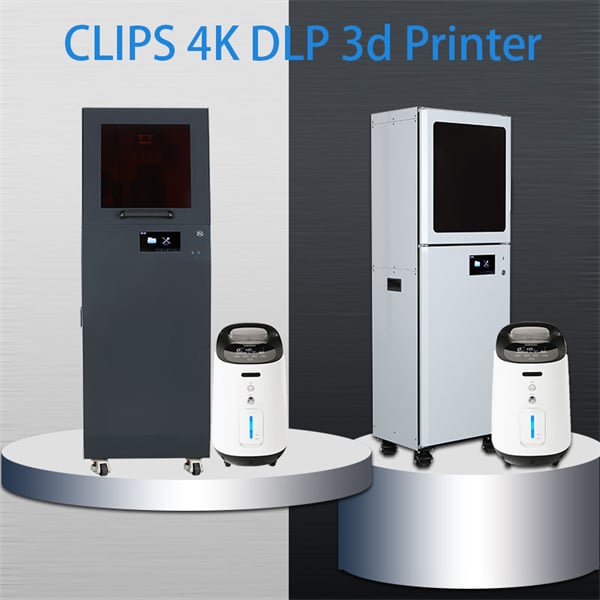
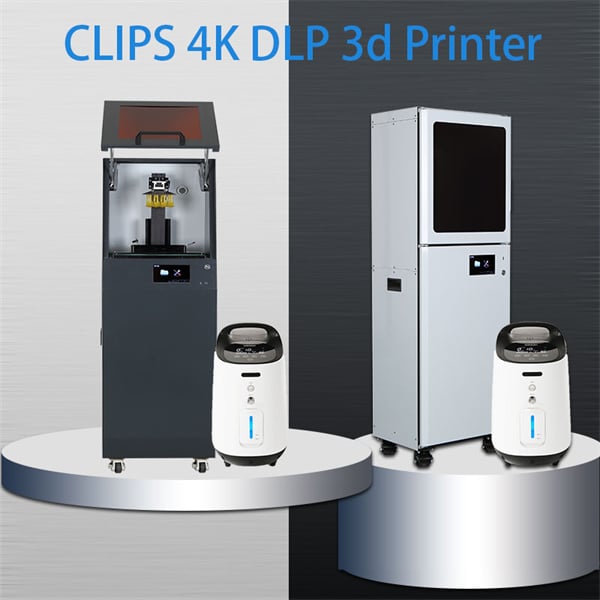
Customization and Features: Customization options can increase the price. Features such as upgraded build platforms, specialized software, or additional cooling systems may add to the initial cost but can enhance performance. For example, the 4K Industrial DLP 3D Printer offers advanced features tailored for dental and prototyping applications.
Volume Discounts: If you are purchasing multiple units, inquire about bulk purchasing discounts. Many manufacturers offer pricing incentives for wholesale buyers.
Warranty and Support: A comprehensive warranty and lifetime technical support can add value. Evaluate how these services factor into the overall cost.
Understanding these cost factors will help you assess the total investment required and make a more informed purchasing decision.
Quality assurance is paramount in manufacturing, especially when dealing with precision equipment like DLP LCD 3D printers. Here are some key considerations:
Manufacturer Reputation: Research the manufacturer’s history, expertise, and market presence. Established companies often have robust quality control processes.
Certifications: Check for relevant industry certifications that validate the printer's quality and safety standards. Common certifications include ISO 9001 for quality management systems.
Quality Control Processes: Inquire about the manufacturer’s quality control measures during production. Effective processes should include material inspection, performance testing, and end-of-line checks.
Customer Reviews and Case Studies: Look for reviews from other businesses in your industry. Real-world applications and testimonials can provide insight into the printer’s reliability and performance.
Sample Approval: Before full-scale production, insist on reviewing a sample print to assess quality and performance. This step can prevent costly mistakes in future batches.
By focusing on these aspects, you can ensure that your investment in DLP LCD 3D printers meets your quality standards.
Despite their advanced technology, DLP LCD 3D printers can encounter several common issues:
Layer Adhesion Problems: Insufficient adhesion between layers can lead to print failures. This is often due to incorrect exposure times or improper resin viscosity. Ensure the printer settings are calibrated based on the resin specifications.
Print Failures: Misalignment or failure to adhere to the build plate can occur. Regularly check the leveling of the build plate and ensure that the printer is clean and free from debris.
Resin Curing Issues: Over-curing or under-curing can damage the print. Always refer to the manufacturer’s guidelines for optimal curing settings.
Software Glitches: Software may sometimes fail to slice models correctly. Ensure you are using the latest version and consult the support team for troubleshooting.
Post-Processing Challenges: Inadequate post-processing can affect the quality of the final product. Develop a consistent process for cleaning and curing prints to achieve the desired results.
Identifying these common problems and their solutions can help you maintain operational efficiency and minimize downtime.
Based on a unique design and structure, especially our Dlp printer, our printers are used in various industries, including Dental cast and crown, Jewelry cast, Garage Kit, Precise Molding, ect. Samples are free. We can print STL files on our printers, and show you how they operate and the outcomes before you buy.
Dlp printer printers are used to various industries, including Jewelrys, Temples, Dentals, Ceramics, etc.. We have perfect customized services. The customized services include the look and feel, custom logos, software design, more functionality and the customized packaging. We provide our customers with the best 3D printers for their money that are of good quality, practical functionality and efficiency.
Since 2012, our founder has worked on 3d printers, all the way from FDM to 3d printing alumina, SLA. He is convinced that "3d technology is going to bring about another industrial revolution". We strive to provide more support for technical and service issues to those who love 3D Printers and strongly support us! We provide a friendly service and respond quickly to changes in the market.
Shenzhen 3KU Technology and Science Co., LTD is established in the year 2014. Within just a few years of developing and marketing, our brand 3KU is well-known by 3d printer fans and users. We offer a complete technical support, printing technology, after processing, casting methods and a 3d printing jewelry. We provide professional technology and customized services, solving casting and printing issues across different fields.
Copyright © Shenzhen 3KU Technology and Science Co., LTD. All Rights Reserved Privacy Policy Blog
 EN
 AR
 BG
 HR
 CS
 DA
 NL
 FI
 FR
 DE
 EL
 HI
 IT
 JA
 KO
 NO
 PL
 PT
 RO
 RU
 ES
 SV
 TL
 IW
 ID
 SR
 SK
 SL
 VI
 ET
 HU
 TH
 TR
 FA
 MS
 GA
 CY
 BE
 IS
 MY