
Ceramic resin for 3D printers represents a cutting-edge material that enables manufacturers to create high-quality, detailed prototypes and end products. For B2B buyers, the decision to invest in ceramic resin involves understanding its specifications, sourcing reliable suppliers, exploring applications, and ensuring proper installation and use. This article aims to guide purchasing managers and engineers through the essential aspects of ceramic resin, helping them make informed decisions regarding their 3D printing needs.
When evaluating ceramic resin for 3D printing, several specifications are crucial for ensuring quality and compatibility with specific applications. These include:
Viscosity: The viscosity of ceramic resin affects how it flows during the printing process. Lower viscosity resins can be easier to print but may not provide the desired level of detail. Higher viscosity resins may yield better surface quality but can pose challenges in the printing process. Buyers must consider their printer's capabilities and the desired outcome when selecting viscosity.
Curing Time: Different ceramic resins have varying curing times, which can impact production efficiency. Faster curing resins can speed up the printing process but may require specific light wavelengths for optimal performance. Understanding the curing time helps buyers plan production schedules more effectively.
Temperature Resistance: The thermal properties of ceramic resin are crucial for applications that require exposure to high temperatures. Buyers should look for resins that can withstand the intended application conditions without deforming. This is particularly important in industries such as aerospace or automotive, where components may need to endure significant heat.
Mechanical Properties: Buyers should evaluate the strength, flexibility, and brittleness of ceramic resin. Mechanical properties affect how the printed object will perform in its intended application. A resin with high tensile strength and impact resistance will be preferable for functional prototypes or end-use parts.
Chemical Resistance: Consideration of the chemical compatibility of the resin is vital for applications that may expose the printed components to solvents or corrosive substances. Buyers should ensure that the selected resin can withstand the anticipated environmental conditions.
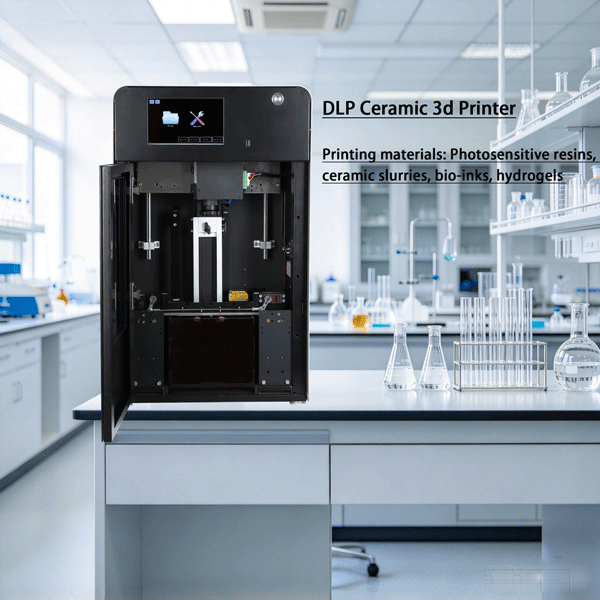
By focusing on these specifications, B2B buyers can select ceramic resin tailored to their specific printing requirements and industry standards. Additionally, exploring advanced options like High Resolution Double Tank Top-down Ceramic Paste 3D Printer could enhance the printing experience.
Finding reliable suppliers for bulk orders of ceramic resin is critical for manufacturing operations. Here are some strategies to identify trustworthy sources:
Industry Networks: Leverage industry connections and networks to gather recommendations. Engaging with industry associations or attending trade shows can provide insights into reputable suppliers known for quality ceramic resin.
Supplier Evaluation: Conduct thorough evaluations of potential suppliers. Request information on their manufacturing processes, quality control measures, and certifications. A supplier with robust quality assurance processes will likely deliver consistent products.
Sample Testing: Before committing to a bulk order, request samples of the ceramic resin. Testing samples under actual printing conditions can reveal how well the resin performs and whether it meets the specified requirements.
Customer Reviews and Case Studies: Seek out reviews and case studies from other companies that have worked with the supplier. Testimonials can provide insights into reliability, responsiveness, and product performance.
Customization Capabilities: Ensure that the supplier can accommodate specific customization needs, whether in terms of resin formulation, packaging, or delivery timelines. A supplier that offers flexibility can help meet unique operational requirements.
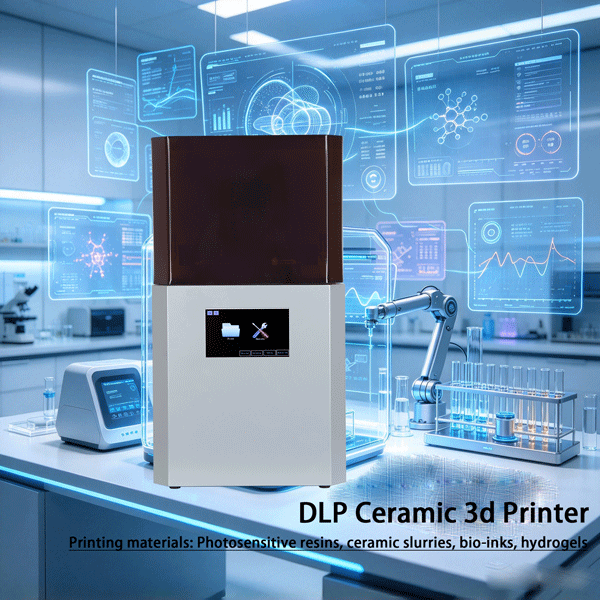
By following these strategies, B2B buyers can secure reliable ceramic resin suppliers that align with their production needs. For instance, suppliers offering 4K Industrial DLP 3D Printers can be an excellent choice for high-demand applications.
Ceramic resin is versatile and suitable for a range of applications across different industries. Some notable uses include:
Dental Applications: Ceramic resin is commonly utilized in the dental industry for creating crowns, bridges, and other dental prosthetics. Its high detail and aesthetic qualities make it ideal for producing lifelike models and functional restorations.
Jewelry Casting: In the jewelry sector, ceramic resin enables the production of intricate designs and fine details. Jewelers can leverage its properties to create molds for casting precious metals, ensuring precision and minimizing material waste.
Artistic Prototyping: Artists and designers use ceramic resin for prototyping sculptures and installations. Its ability to capture fine details allows creators to visualize their concepts before full-scale production.
Industrial Components: Ceramic resin is increasingly utilized in manufacturing industrial components that require heat resistance and mechanical strength. Applications range from tooling to functional prototypes, where durability is key.
Aerospace Parts: In aerospace engineering, the lightweight and heat-resistant properties of ceramic resin make it suitable for producing components that can withstand extreme conditions.
Understanding these applications can help buyers identify how ceramic resin can fulfill their specific project requirements and enhance their production capabilities.
Proper installation and handling of ceramic resin in 3D printers are vital for achieving optimal results. Here are key considerations for effective installation:
Printer Compatibility: Ensure that the 3D printer is compatible with ceramic resin. Check the manufacturer's specifications and recommendations to avoid issues during printing.
Resin Preparation: Before use, shake or stir the resin thoroughly to ensure uniform consistency. This step is crucial as ceramic particles can settle, affecting the resin's performance.
Build Platform Setup: Properly level and prepare the build platform according to the printer's guidelines. A well-prepared platform enhances adhesion during the printing process and ensures accurate layer formation.
Post-Processing Requirements: Be aware of the post-curing requirements for ceramic resin. After printing, components may need additional curing under UV light or heat to achieve the desired mechanical properties.
Safety Precautions: Follow safety guidelines when handling ceramic resin, including wearing gloves and working in a well-ventilated area. Adhering to safety protocols minimizes health risks associated with resin exposure.
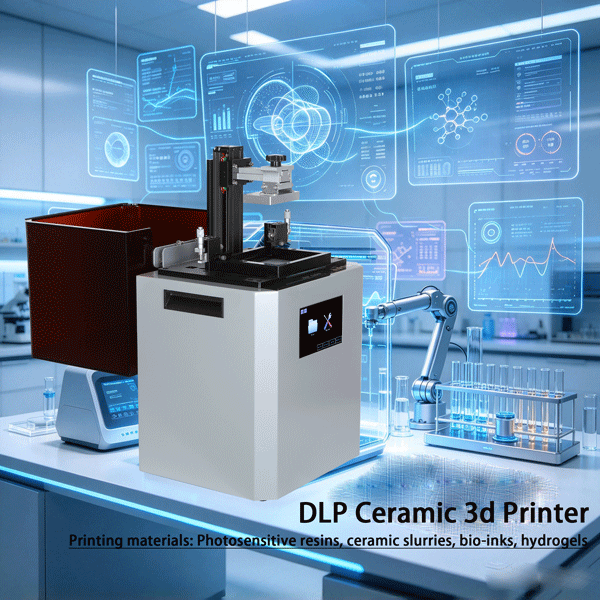
By following these installation guidelines, users can maximize the performance of ceramic resin and achieve high-quality prints.
Our printers, founded on an original layout, design and structure, but more importantly our outstanding team of researchers use in a 3d printing and jewelry of sectors like Dental castings and crowns Jewelry casts, Garage Kits, Precise Moldings, etc. You can request free samples. We can print STL files on our printers and show you how they function as well as the results before purchasing.
Shenzhen 3KU Technology and Science Co. LTD was founded in 2014. Within a Alumina 3d printing of months, 3KU has become a well-known brand among 3d printer users and fans. We provide a full array of technical support, including printing technologies, post-processing, casting methods, and life-long warranty. We provide professional technology and a customized service to solve the printing and casting issues in various areas.
Our 3d printing alumina have been utilized in a variety of industries, including Jewelry, Temples Dentals, Ceramics and more. Our custom services are ideal. The customized services include the appearance design, customized logo, software design, more functionality and the personalized packaging. We provide our customers with 3D printers at the most affordable prices, and with the highest quality, utility and efficiency.
The Ceramic 3d printer of our company is working on 3D printers since 2012, starting with FDM, DLP, SLA. He believes that "3d technology is going to lead another revolution in the industrial sector". We strive to offer more service and technical assistance to 3D printer enthusiasts who believe in us strongly! We have the best priced tower packaging. We provide courteous service, and we can respond quickly to market changes.
Copyright © Shenzhen 3KU Technology and Science Co., LTD. All Rights Reserved Privacy Policy Blog
 EN
 AR
 BG
 HR
 CS
 DA
 NL
 FI
 FR
 DE
 EL
 HI
 IT
 JA
 KO
 NO
 PL
 PT
 RO
 RU
 ES
 SV
 TL
 IW
 ID
 SR
 SK
 SL
 VI
 ET
 HU
 TH
 TR
 FA
 MS
 GA
 CY
 BE
 IS
 MY