
Biocompatible resin 3D printing is revolutionizing manufacturing in medical and dental applications. These resins are crafted to be safe for human contact, making them essential for producing medical devices, dental models, and other applications where biocompatibility is crucial. Understanding the nuances of biocompatible resin, the common challenges encountered during printing, and how to evaluate different resins can help purchasing managers and product developers make informed decisions. This article will delve into key considerations and practical insights for effectively utilizing biocompatible resin in 3D printing.
Biocompatible resin for 3D printing is specifically designed to meet the safety requirements for medical and dental applications. These resins are formulated to minimize toxicity and adverse reactions when in contact with biological tissues. Key specifications to consider include:
Material Composition: The resin's chemical makeup affects its performance and safety. Common materials often include acrylates and epoxies, which are engineered to ensure biocompatibility.Mechanical Properties: Important characteristics such as tensile strength, elongation at break, and impact resistance should align with the intended use. For example, dental applications may require high rigidity and wear resistance.Curing Process: The curing method, whether UV or heat activated, influences the resin's final properties. Proper curing ensures dimensional accuracy and surface integrity, which are critical in applications like dental prosthetics. Additionally, using advanced printers like the High Resolution Double Tank Top-down Ceramic Paste 3d Printer can enhance the outcome of these processes.Ensuring that the chosen biocompatible resin aligns with these specifications is vital for achieving the desired performance and safety standards in medical applications.
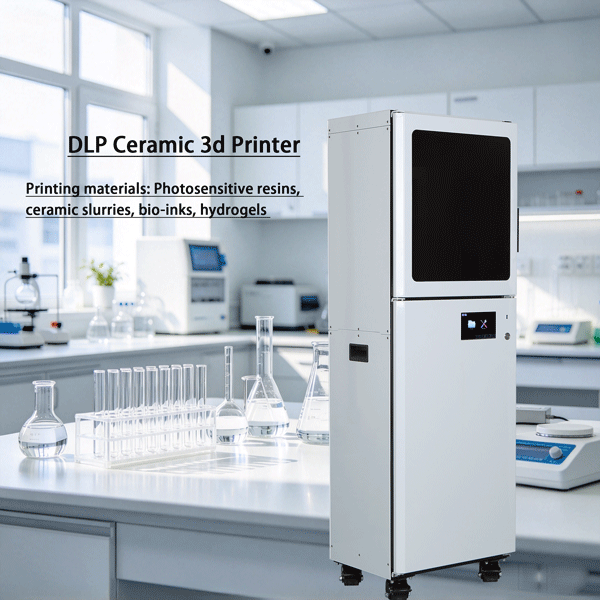
While biocompatible resins offer numerous advantages, several challenges can arise during the 3D printing process. Here are common issues buyers should be aware of:
Layer Adhesion: Poor layer adhesion can lead to weak points in the finished product. This can occur due to inadequate curing or improper printer settings. Ensuring the printer is calibrated correctly and that the resin is allowed sufficient curing time is essential.Print Accuracy: Variations in temperature or humidity can affect the resin’s viscosity, leading to inaccuracies in print dimensions. Buyers should consider environmental controls to maintain consistent printing conditions.Post-Processing Requirements: Biocompatible resins often require thorough post-processing to remove uncured material and ensure optimal biocompatibility. This may include washing and curing steps that need to be standardized for efficiency.By anticipating these issues, buyers can implement strategies to mitigate risks and ensure the quality of their printed products.
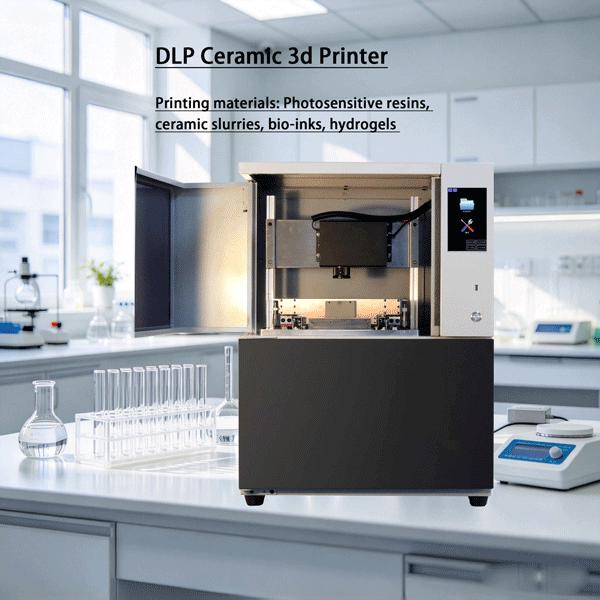
When evaluating different biocompatible resins, it's important to consider several factors that will impact your project’s success:
Regulatory Compliance: Check if the resin meets essential medical device regulations (e.g., ISO 10993 for biocompatibility) based on the final application. This ensures that the printed parts are safe for their intended use.Mechanical Performance: Compare tensile strength, elongation, and hardness values. Selecting a resin that meets the specific mechanical demands of the application is crucial for long-term performance.Surface Finish: The desired aesthetic and functional surface finish should influence your choice of resin. Some resins offer smoother finishes, reducing the need for extensive post-processing.Cost and Availability: Assess the cost per liter of resin and the supplier's ability to meet your volume requirements. Understanding the total cost of ownership, including any potential wastage during printing, is key for budget management.By systematically comparing these aspects, buyers can make informed decisions that align with their project requirements. Furthermore, utilizing a 4K Industrial DLP 3d Printer can further enhance the capabilities of biocompatible resin printing.
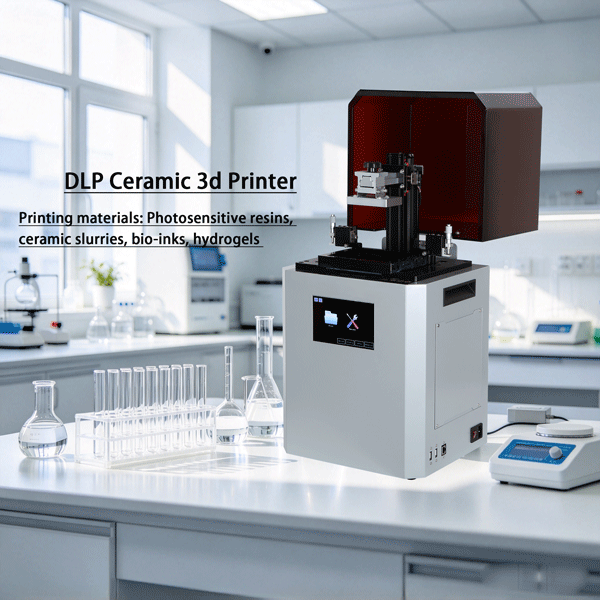
Setting up a biocompatible resin printer requires careful attention to detail to ensure successful operation. Here are essential installation tips:
Printer Calibration: Before initiating a print, confirm that the printer is calibrated. This includes checking the build plate level, ensuring proper resin temperature, and verifying the laser or light source settings (for DLP/SLA models).Material Handling: Properly store and handle biocompatible resin to avoid contamination. Use gloves and ensure that the workspace is clean to prevent any foreign materials from affecting the print quality.Ventilation: Ensure adequate ventilation in the printing area, as some resins can emit fumes during the curing process. This is crucial for maintaining a safe working environment.Following these guidelines will help secure a smooth printing process and high-quality output.
Based on a unique design and structure, especially our outstanding research team, our printers can be found in various industries, including Dental cast and crown, Jewelry cast, Alumina 3d printing, Precise Molding, ect. We offer free samples. We can print stl files on our printers and show you how they operate and the results before purchasing.
Shenzhen 3KU Technology and Science Co. LTD was founded in 2014. In just a few years of promoting and advancing our brand, 3KU is well-known to 3d printer fans and users. We offer a wide variety of technical assistance, which includes printing technology, post-processing, 3d printing and jewelry, and lifetime warranty. We offer highly professional service and technology. We can solve printing and casting problems across various fields.
Our printers have been employed in a variety of industries, including jewelry, Temples Dentals, Ceramics and more. Our customized services are ideal. The services that we customize include the outlook design, the Dlp 3d printer, the software design, more function and personalized packaging. We provide our customers with 3D printers at the lowest prices, and with the highest quality, functionality and efficacy.
The founder of our company has been working on 3D printers since 2012, starting with FDM, DLP, SLA. He is convinced that "3d technology will lead another industrial revolution". We strive to provide more 3d print ceramic and technical support to 3d printer enthusiasts who believe in us strongly! We have the best priced tower packaging. We provide considerate support and quickly respond to market needs.
Copyright © Shenzhen 3KU Technology and Science Co., LTD. All Rights Reserved Privacy Policy Blog
 EN
 AR
 BG
 HR
 CS
 DA
 NL
 FI
 FR
 DE
 EL
 HI
 IT
 JA
 KO
 NO
 PL
 PT
 RO
 RU
 ES
 SV
 TL
 IW
 ID
 SR
 SK
 SL
 VI
 ET
 HU
 TH
 TR
 FA
 MS
 GA
 CY
 BE
 IS
 MY