
In the rapidly evolving world of 3D printing, biocompatible 3D printing resin plays a crucial role, particularly in industries such as dental, medical, and jewelry applications. This specialized resin is designed to ensure safety and compatibility with biological tissues, making it a vital component for manufacturers focusing on precision and quality. As a B2B buyer, understanding the key features, specifications, and potential challenges of biocompatible resins is essential for making informed purchasing decisions. This article will provide valuable insights into sourcing biocompatible 3d printing resin, evaluating its suitability for your projects, and addressing common issues that may arise during the printing process.
When considering bulk orders for biocompatible 3D printing resin, it’s crucial to evaluate different suppliers and their terms. Many manufacturers, including Shenzhen 3KU Technology and Science Co., LTD, offer customizable options tailored to specific production needs. Bulk purchasing can lead to significant cost savings, as suppliers often provide discounts based on order volume.
Key factors to consider when placing a bulk order include:
Minimum Order Quantity (MOQ): Different suppliers have varying MOQs, which can affect your purchasing strategy.
Lead Time: Understanding the manufacturing lead time is essential for project planning. Ensure that the supplier can meet your production deadlines.
Shipping Options: Evaluate the shipping and logistics services offered, as these can impact delivery times and costs.
Quality Assurance: Request information on quality control processes to ensure that the resin meets your specifications consistently.
Establishing a solid relationship with your supplier can also lead to better negotiation terms and potential future customization options, ensuring that your specific application needs are met.
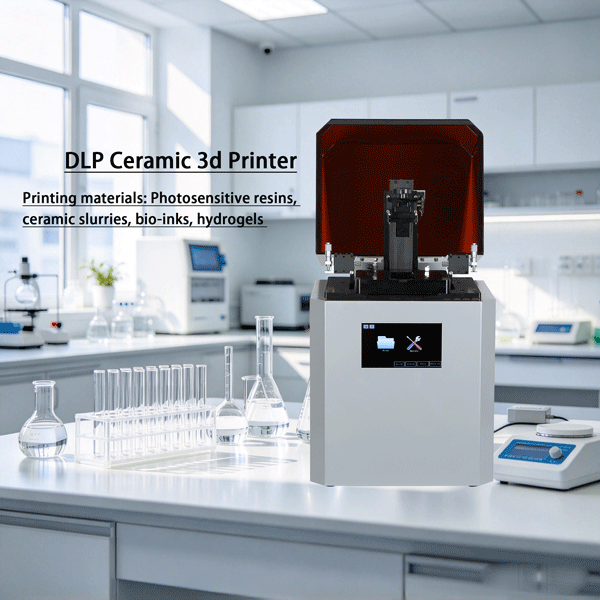
When sourcing biocompatible 3D printing resin, several specifications should be prioritized to ensure optimal performance in your applications:
Viscosity: A resin with appropriate viscosity ensures proper flow during the printing process. Too high a viscosity can lead to poor print quality, while too low can affect the detail and precision of the finished product.
Curing Time: This specification affects how quickly the resin solidifies during the printing process. Faster curing times can enhance productivity but may limit detail.
Mechanical Properties: Understanding tensile strength, elongation at break, and impact resistance is crucial for assessing the durability of the printed parts. These properties should align with the intended use of the final product.
Biocompatibility Standards: Ensure that the resin complies with relevant industry standards, such as ISO 10993 for medical applications, to guarantee safety and effectiveness in contact with biological tissues.
Color and Appearance: Depending on the application, the aesthetic properties of the resin, such as transparency or color, may also be significant.
Evaluating these specifications will help you determine which resin is most suitable for your specific applications, be it dental models, surgical guides, or jewelry prototypes.
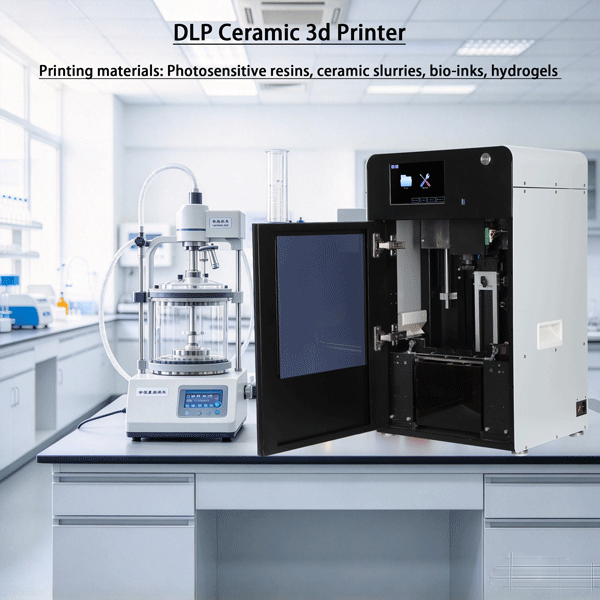
Evaluating biocompatible 3D printing resins requires a comprehensive approach that includes both technical assessments and practical testing:
Sample Testing: Before committing to a bulk order, request samples to assess their performance in your specific printing environment. Pay attention to how well the resin adheres to the build platform, details captured, and the smoothness of the final surface.
Compatibility with Equipment: Ensure that the resin is compatible with your existing 3D printing technology, whether it be DLP, SLA, or FDM. Different printers may require specific resin formulations.
Consult Technical Data Sheets (TDS): Review the TDS provided by the manufacturer to understand the resin’s properties, compatibility, and recommended printing settings. This documentation is crucial for achieving optimal results.
Customer Feedback and Case Studies: Look for reviews or case studies from other users in your industry. Their experiences can provide insights into performance in real-world applications.
Supplier Support: Consider the level of technical support and guidance offered by the supplier. An experienced manufacturer, like Shenzhen 3KU Technology and Science Co., LTD, can provide valuable insights into optimizing your printing process and troubleshooting issues.
By thoroughly evaluating these factors, you can make a well-informed decision about which biocompatible resin 3d printing is best suited for your projects.
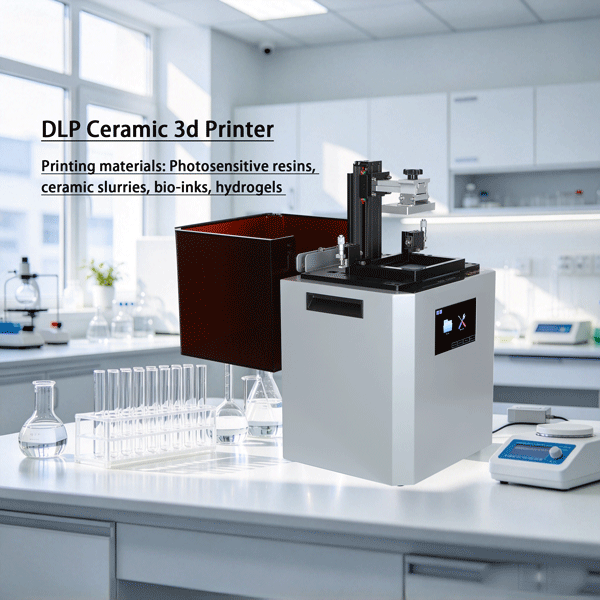
While biocompatible 3D printing resins offer numerous advantages, various challenges may arise during the printing process. Understanding these issues and their solutions can help ensure a smoother workflow:
Print Failures: Common causes include incorrect exposure settings, inadequate layer adhesion, or issues with the printer calibration. Regular maintenance and calibration of the printer can mitigate these problems.
Surface Imperfections: If the printed parts exhibit rough surfaces or artifacts, it may be due to improper resin mixing or contamination. Always ensure the resin is well-mixed and free of debris before printing.
Post-Processing Difficulties: Biocompatible resins often require thorough cleaning and curing post-printing. Inadequate post-processing can lead to surface tackiness or reduced mechanical properties. Utilize appropriate cleaning methods and follow the manufacturer’s recommendations for curing times and conditions.
Limited Shelf Life: Biocompatible resins may have a limited shelf life, affecting their usability over time. Always check the expiration date and store the resin according to the manufacturer's guidelines to maintain its performance.
Addressing these common challenges with proactive measures can enhance the reliability and quality of your 3D printed products.
Our founder is working on 3d printers since 2012, from FDM, DLP, SLA. He believes that "3d printing and jewelry is going to be the catalyst for a new revolution in the industrial sector". We do our best to provide greater technical and service support for those who are 3D Printer fans and have a strong support for us! We provide a friendly service, and react quickly to the market.
Shenzhen 3KU Technology and Science Co. LTD was founded in 2014. Within a Ceramic 3d printer of months, 3KU has become a well-known brand among 3d printer users and fans. We provide a full array of technical support, including printing technologies, post-processing, casting methods, and life-long warranty. We provide professional technology and a customized service to solve the printing and casting issues in various areas.
Our 3d printing alumina have been utilized in a variety of industries, including Jewelry, Temples Dentals, Ceramics and more. Our custom services are ideal. The customized services include the appearance design, customized logo, software design, more functionality and the personalized packaging. We provide our customers with 3D printers at the most affordable prices, and with the highest quality, utility and efficiency.
Based on a unique design and structure, especially our outstanding research team, our printers can be found in various industries, including Dental cast and crown, Jewelry cast, Alumina 3d printing, Precise Molding, ect. We offer free samples. We can print stl files on our printers and show you how they operate and the results before purchasing.
Copyright © Shenzhen 3KU Technology and Science Co., LTD. All Rights Reserved Privacy Policy Blog
 EN
 AR
 BG
 HR
 CS
 DA
 NL
 FI
 FR
 DE
 EL
 HI
 IT
 JA
 KO
 NO
 PL
 PT
 RO
 RU
 ES
 SV
 TL
 IW
 ID
 SR
 SK
 SL
 VI
 ET
 HU
 TH
 TR
 FA
 MS
 GA
 CY
 BE
 IS
 MY