
The best DLP resin printer is a vital investment for businesses engaged in fields like dental, jewelry, and precise molding applications. Buyers need to consider various factors, including specifications, customization options, and support services, to ensure they select a model that meets their specific production needs. This article will guide purchasing managers and product managers through key considerations when evaluating DLP resin printers, helping them make informed decisions that align with their operational requirements.
When assessing the best DLP resin printer for wholesale purchase, buyers should prioritize several key factors that directly impact performance and operational efficiency.
First, consider the printer's build volume, which determines the maximum size of objects that can be printed. A larger build volume allows for more extensive projects or multiple smaller parts to be printed simultaneously, improving overall productivity.
Next, examine the printer's layer resolution capabilities. Higher resolutions yield finer details, essential for applications like dental molds or intricate jewelry designs. It’s vital to evaluate whether the printer can maintain high-quality output at production speeds.
Customization options are another critical aspect. Wholesale buyers often require specific configurations tailored to their operational needs. They should inquire about the extent of customization available, including software interfaces and functional upgrades. For instance, a Jewelry 3d Printer can offer unique customization options to meet specific design requirements.
Lastly, consider the level of technical support and after-sales service provided by the manufacturer. A reliable support system can significantly reduce downtime and ensure that any issues are swiftly addressed, thereby enhancing the overall value of the investment.
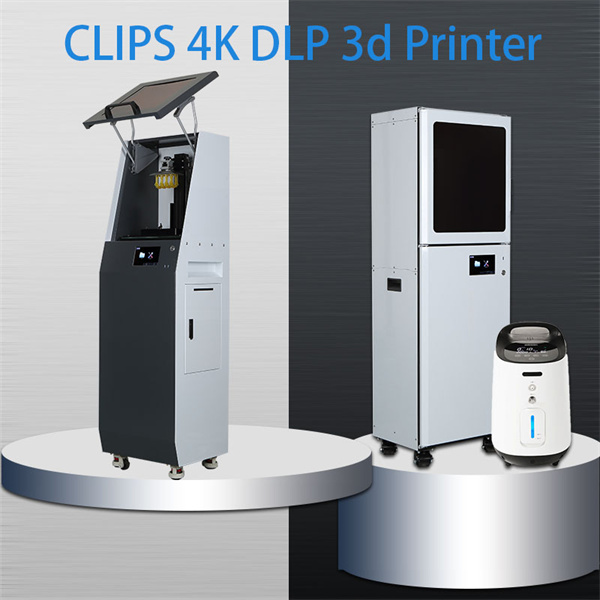
Choosing a DLP resin printer involves evaluating several technical specifications that directly influence the machine’s performance and suitability for specific applications.
Resolution: This is measured in microns and indicates the printer's ability to produce fine details. A lower micron rating typically translates to higher detail, which is crucial for precision applications like dental and jewelry production.
Build Volume: The dimensions of the print area affect how many items can be printed simultaneously and their maximum size. Buyers should align this with their production needs to avoid limitations in future projects.
Print Speed: This metric indicates how quickly the printer can produce items. Faster print speeds can enhance productivity, but it’s essential to balance speed with quality to ensure that the final output meets standards.
Material Compatibility: Not all DLP printers can handle every type of resin. Buyers should confirm that the printer can work with the specific materials they plan to use, as this will affect both quality and cost.
Software and User Interface: An intuitive user interface can streamline the printing process. Buyers should assess whether the printer's software is easy to use and compatible with their existing systems.
These specifications collectively impact the printer's capability and efficiency, making it essential to thoroughly evaluate them before making a purchase.
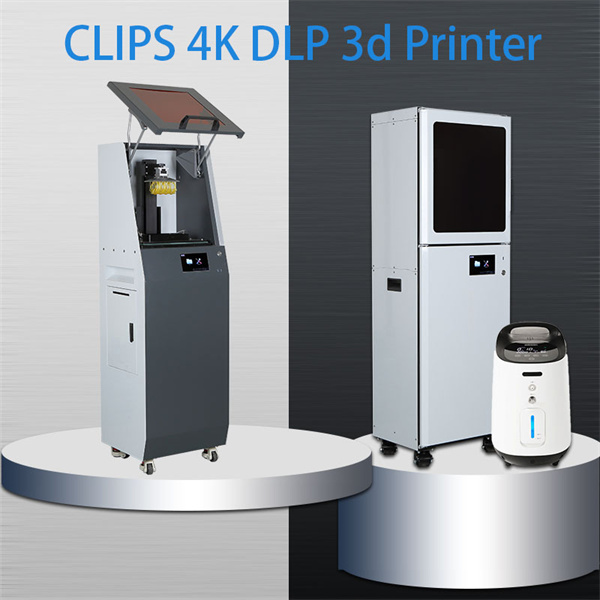
When purchasing DLP resin printers in bulk, several cost factors must be considered to ensure a financially sound investment.
Unit Cost: The base price of each printer is a primary consideration. Buyers should compare quotes from different manufacturers to gauge the market rate and ensure they are receiving competitive pricing.
Shipping and Handling: Bulk purchases may incur significant shipping costs, particularly if the printers are large or if they need special handling. Buyers should factor these expenses into the total cost of acquisition.
Customization Fees: If specific customizations are required, such as software modifications or specialized features, these may incur additional costs. It’s important to obtain a clear breakdown of these fees up front.
Maintenance and Consumables: Long-term operational costs should also be evaluated. This includes the cost of replacement parts, resin, and maintenance services. A printer with lower initial costs may have higher ongoing expenses, so it’s crucial to consider the total cost of ownership. For example, a flexible resin 3d printer might have specific maintenance considerations.
Warranty and Support Plans: Understanding the warranty terms and the cost of extended support plans can help buyers avoid unexpected expenses associated with repairs or service interruptions.
By comprehensively evaluating these cost factors, buyers can make informed decisions that fit their budget while ensuring they acquire suitable equipment for their production needs.
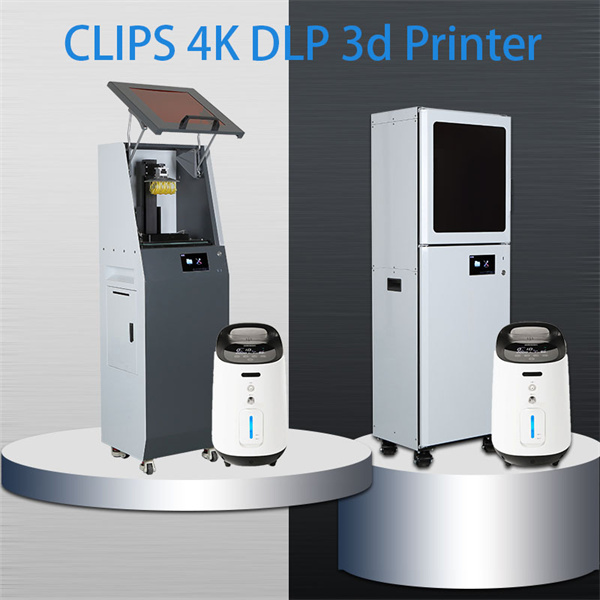
Successful installation is key to maximizing the performance of DLP resin printers. Here are essential steps to consider:
Site Preparation: Ensure that the installation site is clean, dry, and well-ventilated. DLP printers may produce fumes during operation, so proper ventilation is crucial to maintaining a safe working environment.
Leveling the Printer: Proper leveling is essential for accurate printing. Follow the manufacturer's instructions meticulously to ensure the printer is correctly calibrated before use.
Software Setup: Install and configure the printer’s software according to the manufacturer's guidelines. This may include setting up drivers, connecting to networks, and ensuring compatibility with design software.
Initial Test Prints: Conduct initial test prints to verify that the printer is functioning correctly. This step allows any necessary adjustments to be made before commencing full-scale production.
Training: Ensure that operators are adequately trained on the printer's operation, maintenance, and safety protocols. Familiarity with the equipment can significantly reduce the risk of errors and enhance productivity.
By adhering to these guidelines, buyers can ensure that their DLP resin printers operate at peak efficiency from the start, minimizing potential issues that could disrupt production.
Our printers, which are based on a unique design, 3d printing alumina, and most importantly our outstanding team of researchers can be found in many industries like Dental Casts and crowns, Jewelry castings, Garage Kits, Precise moldings, and more. We offer free examples. You can send us stl files, and we print using our printers to show how it operates and what the results are before you purchase.
Our printers are applied across a range of industries, such as Ceramic 3d printer, Temples, Dentals, Ceramics, etc.. We offer a wide range of customized services. We provide a broad range of customized services, including the design of the packaging along with the software, branding, packaging and many other functions. We provide our customers with 3D printers for the cheapest prices with high quality, functionality and efficacy.
Our founder is working on 3D printers since 2012, starting from FDM, DLP, SLA. He believes in "3d technology will trigger another 3d pottery printer"! We do our best to offer more service and technical support for 3D printer lovers who support us strongly! We have the best priced tower packaging. We offer a friendly service and are able to react quickly to market trends.
Shenzhen 3KU Technology and Science Co., LTD is established in the year 2014. Within just a few years of developing and marketing, our brand 3KU is well-known by 3d printer fans and users. We offer a complete technical support, printing technology, after processing, casting methods and a 3d printing jewelry. We provide professional technology and customized services, solving casting and printing issues across different fields.
Copyright © Shenzhen 3KU Technology and Science Co., LTD. All Rights Reserved Privacy Policy Blog
 EN
 AR
 BG
 HR
 CS
 DA
 NL
 FI
 FR
 DE
 EL
 HI
 IT
 JA
 KO
 NO
 PL
 PT
 RO
 RU
 ES
 SV
 TL
 IW
 ID
 SR
 SK
 SL
 VI
 ET
 HU
 TH
 TR
 FA
 MS
 GA
 CY
 BE
 IS
 MY