
3D printing silicon carbide is transforming manufacturing processes across various sectors, offering enhanced performance and unique properties. For B2B buyers, understanding the specifications, sourcing options, and applications of silicon carbide 3d printing is essential for making informed purchasing decisions. This article will help you navigate the important considerations when selecting and utilizing 3D printing silicon carbide, addressing common challenges and providing practical advice for installation and use.
When evaluating 3D printing silicon carbide, several key specifications should be prioritized:
Material Composition: Silicon carbide (SiC) is renowned for its hardness, thermal stability, and chemical resistance. Buyers should consider the specific grade of silicon carbide, as variations can impact performance. Higher purity levels often lead to improved mechanical properties, which are crucial for applications requiring durability.
Print Resolution and Layer Height: The resolution of the 3D printer affects the detail and precision of the final product. A smaller layer height can result in finer details but may increase production time. Buyers should assess the printer’s capabilities to achieve the desired level of detail for their specific applications.
Thermal Conductivity and Expansion: Silicon carbide exhibits excellent thermal conductivity, making it suitable for high-temperature applications. Understanding the thermal expansion characteristics is essential for ensuring dimensional accuracy, especially in components exposed to varying temperatures.
Mechanical Properties: Factors such as tensile strength, compressive strength, and hardness should be evaluated based on the application requirements. A thorough understanding of these properties helps in selecting the appropriate 3d printing silicon carbide formulation to meet operational demands.
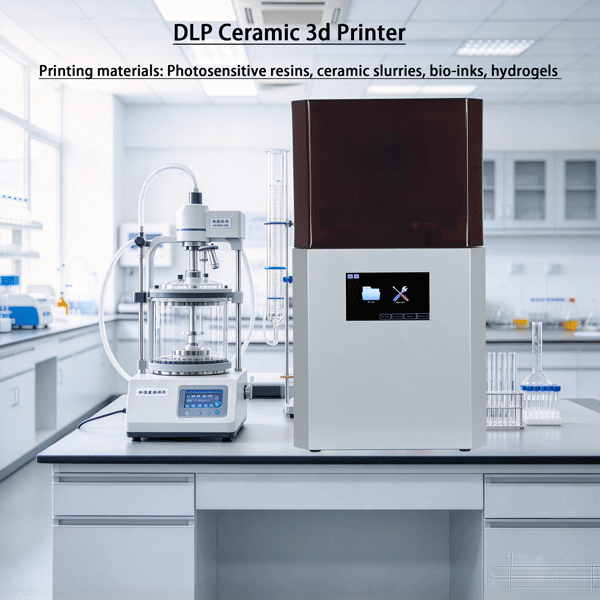
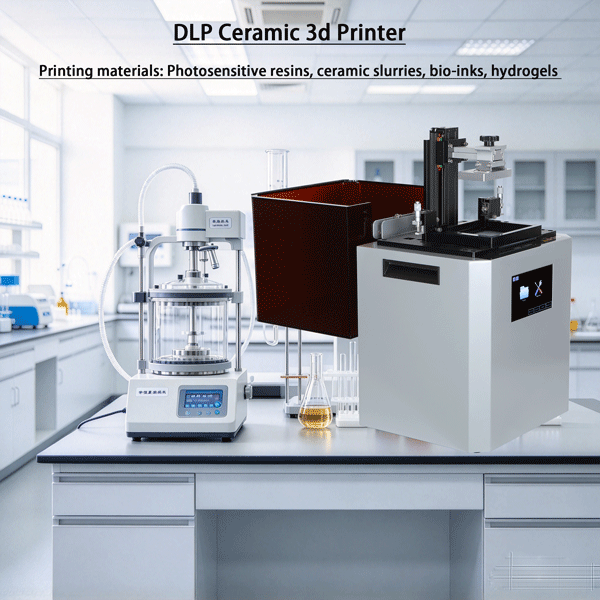
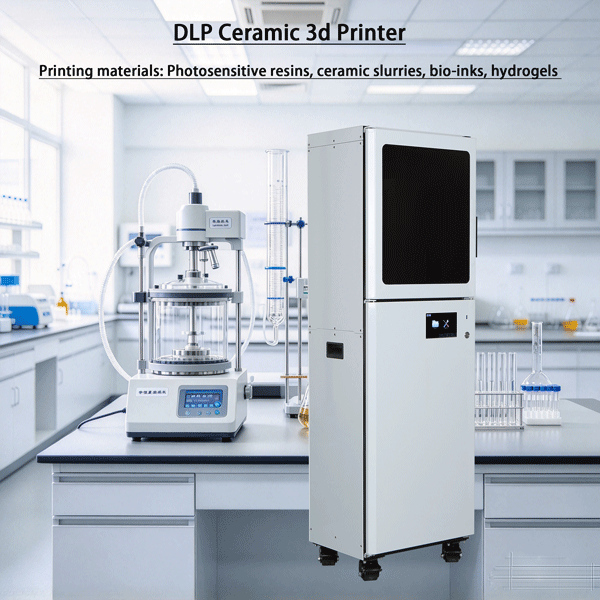
Compatibility with 3D Printing Technology: Different 3D printing technologies, such as FDM, DLP, or SLA, may require specific formulations of silicon carbide. Ensuring that the chosen material is compatible with the printing process is vital to achieving successful outcomes.
Finding reliable suppliers for 3D printing silicon carbide is crucial for ensuring consistent quality and performance. Here are some tips for sourcing:
Industry Directories and Trade Shows: Utilize industry-specific directories and attend trade shows to connect with established manufacturers and suppliers. This allows for firsthand interaction and a better understanding of their capabilities and product offerings.
Supplier Verification: Look for suppliers with a proven track record in producing 3d printing silicon carbide. Check for certifications or compliance with industry standards, as this can indicate quality control processes and manufacturing reliability.
Request Samples: Before finalizing a supplier, request samples of their silicon carbide materials. Testing these samples under your specific operational conditions is critical for evaluating their performance and suitability for your applications.
Customization Capabilities: Ensure that the supplier can accommodate your specific requirements, such as material grades, sizes, and formulations. Customization can play a significant role in achieving optimal performance for unique applications.
While 3D printing silicon carbide offers many benefits, several common challenges can arise:
Print Quality Issues: Inconsistent print quality can occur due to improper printer settings or material issues. To mitigate this, buyers should conduct thorough calibration of the printer and ensure that the silicon carbide material is stored and handled according to manufacturer guidelines to prevent contamination.
Layer Adhesion Problems: Poor layer adhesion can lead to structural weaknesses in the final product. This can often be resolved by adjusting printing parameters such as temperature, speed, and layer height. It’s advisable to conduct test prints to find the optimal settings for specific material batches.
Warping and Shrinkage: Silicon carbide can exhibit warping during the cooling process. To counteract this, buyers should consider using a heated build platform, which helps maintain temperature consistency and reduces the risk of warping.
Post-Processing Challenges: The hardness of silicon carbide can make post-processing (such as sanding or machining) difficult. Understanding the limitations of the material will help set realistic expectations and guide the selection of appropriate finishing techniques.
3D printing silicon carbide is utilized across various industries due to its unique properties:
Aerospace: The aerospace industry leverages silicon carbide for components that require high strength-to-weight ratios and excellent thermal stability, including engine components and heat shields.
Automotive: In the automotive sector, silicon carbide is used for manufacturing lightweight, durable parts that can withstand high temperatures, such as brake components and exhaust systems.
Electronics: Silicon carbide is increasingly used in electronic components due to its superior thermal conductivity and efficiency in power devices, making it ideal for high-performance semiconductors.
Medical Devices: In the medical field, silicon carbide’s biocompatibility and strength make it suitable for creating durable medical implants and surgical tools.
Defense and Security: Applications in defense often require materials that can withstand extreme conditions, where silicon carbide’s performance characteristics provide significant advantages.
Our printers have been employed in many industries including jewelry, Temples Dentals, Ceramics and more. Our Alumina 3d printing are ideal. We provide a variety of custom services, such as packaging design and software, branding, packaging and many more. We provide our clients the best priced 3d printers that are of good quality, practical utility and high-efficiency.
Our printers, which are based on a unique layout, design and structure, but more importantly our excellent team of researchers and engineers, are utilized in numerous industries such as Dental casts and crowns Dlp 3d printer, Garage Kits and Precise Moldings and so on. We are able to provide free samples. You can offer us STL files and we print them using our printers to demonstrate how it operates and what the results look before you make a purchase.
Shenzhen 3KU Technology and Science Co. LTD was established in 2014. Within a few years of marketing and development our brand, 3KU is well-known by 3d printer fans and users. We offer a complete technical support, printing technology, after casting, Dlp printer and lifetime warranty. We provide professional technology and a customized service to help with casting and printing problems across a variety of areas.
The Ceramic 3d printer of our company is working on 3D printers since 2012, starting with FDM, DLP, SLA. He believes that "3d technology is going to lead another revolution in the industrial sector". We strive to offer more service and technical assistance to 3D printer enthusiasts who believe in us strongly! We have the best priced tower packaging. We provide courteous service, and we can respond quickly to market changes.
Copyright © Shenzhen 3KU Technology and Science Co., LTD. All Rights Reserved Privacy Policy Blog
 EN
 AR
 BG
 HR
 CS
 DA
 NL
 FI
 FR
 DE
 EL
 HI
 IT
 JA
 KO
 NO
 PL
 PT
 RO
 RU
 ES
 SV
 TL
 IW
 ID
 SR
 SK
 SL
 VI
 ET
 HU
 TH
 TR
 FA
 MS
 GA
 CY
 BE
 IS
 MY