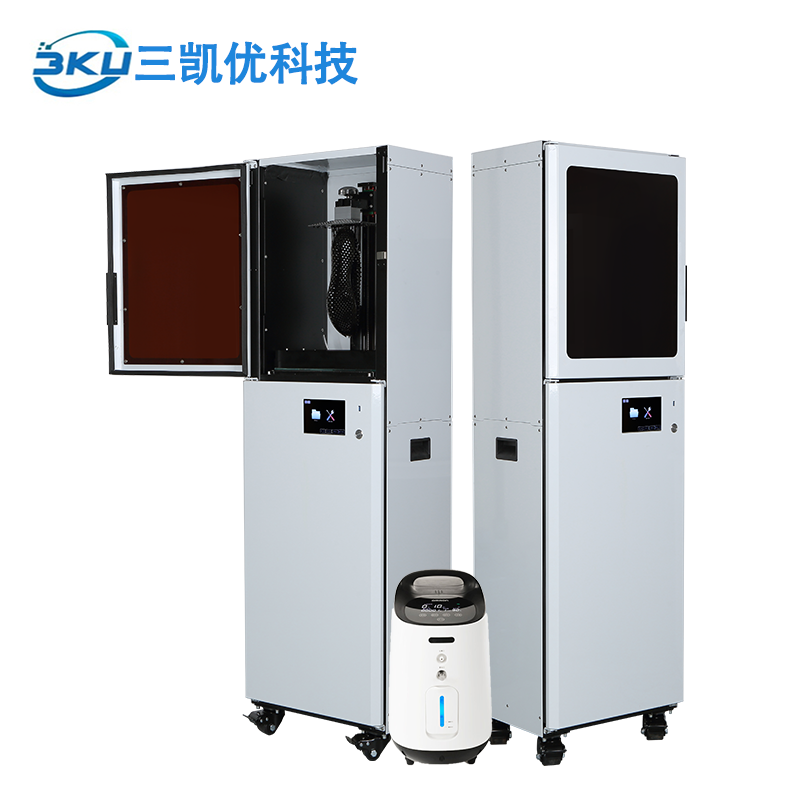
3D printing has become a transformative tool in the dental industry, enabling the production of precise dental models, crowns, bridges, and other orthodontic devices. This article will explore the challenges and considerations B2B buyers face when sourcing 3D printers specifically for dental applications. From selecting the right printer to understanding cost factors and material advantages, we will guide purchasing managers, distributors, and product managers through the essential aspects of investing in dental resin 3D printing technology.
When selecting a 3D printer for dental applications, buyers must consider several factors that affect both the quality of the output and the efficiency of the printing process. Key specifications to evaluate include:
Printing Technology: The most common technologies used in the dental industry are Fused Deposition Modeling (FDM), Digital Light Processing (DLP), and Stereo lithography (SLA). Each has its strengths: FDM is cost-effective for models, while DLP and SLA provide higher resolution and detail, essential for producing intricate dental restorations.
Build Volume: The printer's build volume should accommodate the maximum size of the dental parts being produced. A larger build volume allows for batch production, which can significantly enhance efficiency.
Resolution and Precision: Look for printers that offer high-resolution capabilities, usually measured in microns. This is critical for dental applications where precision can directly impact fit and function.
Material Compatibility: Different printers support various materials, such as light-curable resins for SLA or thermoplastics for FDM. Ensure that the printer can use materials specifically designed for dental applications, which must meet regulatory standards for safety and efficacy.
Software and Customization: A user-friendly software interface that allows for easy model manipulation and effective support structure generation is vital. Additionally, customization options for software and hardware can provide a competitive edge for specific dental needs.
Support and Maintenance: Consider manufacturers that offer lifetime technical support and comprehensive maintenance services. This can prevent costly downtime and ensure that the printer is always operating at peak efficiency.
By carefully evaluating these factors, buyers can select a 3D printer that best meets their specific dental application needs.
Wholesale purchasing of 3D printers for dental applications offers several advantages for distributors:
Cost Savings: Buying in bulk typically reduces the unit price, allowing distributors to offer competitive pricing to their customers while maintaining healthy margins.
Inventory Management: Having a stock of 3D printers on hand enables quick fulfillment of customer orders, which can enhance customer satisfaction and loyalty.
Variety in Offerings: Distributors can provide a range of printers to cater to different dental practices, from small clinics to large laboratories, thus broadening their customer base.
Training and Support: Many manufacturers, including Shenzhen 3KU Technology and Science Co., LTD, offer training and support for distributors to help them educate their customers on the benefits and operation of the printers.
Flexible Customization Options: Wholesale purchasing can often come with opportunities for customization in terms of software, printer configurations, and materials, allowing distributors to tailor their offerings to specific market needs.
By leveraging these benefits, distributors can strengthen their position in the dental supply chain and build long-term relationships with dental practices.
Understanding the cost structure of dental 3D printers is essential for making informed purchasing decisions. Buyers should consider:
Initial Purchase Price: This is the most obvious cost factor and can vary significantly based on printer technology, brand, and features. It's crucial to balance cost with the printer's capabilities to ensure it meets the required specifications.
Material Costs: The type of materials used in 3D printing dental models can influence overall operating costs. Light-curable resins used in DLP and SLA printers tend to be more expensive than thermoplastics used in FDM machines. Additionally, some materials may require specific post-processing steps that add to costs.
Maintenance and Operating Costs: Regular maintenance is necessary to keep printers operational and producing quality results. Buyers should inquire about expected maintenance costs and whether the manufacturer provides any support in this area.
Training and Setup Costs: Depending on the complexity of the printer, there may be additional costs associated with training staff on how to use the machine effectively. Some manufacturers offer training as part of the purchase agreement, while others do not.
Software Licensing Fees: Many advanced 3D printers require proprietary software for operation, which might come with licensing fees. Buyers should clarify these costs upfront to avoid surprises later.
By thoroughly assessing these cost factors, buyers can better understand the total cost of ownership and make a more informed purchasing decision.
Finding a reliable supplier for dental 3D printing equipment is critical to ensuring quality and support. Here are some strategies to locate trustworthy manufacturers:
Industry Trade Shows and Expos: Attending dental and manufacturing trade shows can be an effective way to meet suppliers, see their products firsthand, and establish relationships. This direct interaction can also provide insights into the latest advancements in 3D printing technology.
Online Marketplaces and Directories: Websites like Alibaba, ThomasNet, and industry-specific directories can help buyers find manufacturers. It’s important to vet suppliers based on reviews and their history in the industry.
Networking with Industry Peers: Engaging with professional networks, online forums, and social media groups focused on dental technology can reveal recommendations for reputable suppliers.
Manufacturer Websites: Visiting the websites of manufacturers, such as Shenzhen 3KU Technology and Science Co., LTD, can provide detailed information about their product offerings, customization options, and support services.
Certifications and Compliance: Ensure that the supplier adheres to industry standards and regulations. Certifications can indicate a commitment to quality and reliability.
By leveraging these resources, buyers can find suppliers who not only provide high-quality equipment but also offer valuable support and guidance.
The Ceramic 3d printer of our company is working on 3D printers since 2012, starting with FDM, DLP, SLA. He believes that "3d technology is going to lead another revolution in the industrial sector". We strive to offer more service and technical assistance to 3D printer enthusiasts who believe in us strongly! We have the best priced tower packaging. We provide courteous service, and we can respond quickly to market changes.
Our printers have been employed in many industries including jewelry, Temples Dentals, Ceramics and more. Our Alumina 3d printing are ideal. We provide a variety of custom services, such as packaging design and software, branding, packaging and many more. We provide our clients the best priced 3d printers that are of good quality, practical utility and high-efficiency.
Based on a unique design and structure, especially our Dlp printer, our printers are used in various industries, including Dental cast and crown, Jewelry cast, Garage Kit, Precise Molding, ect. Samples are free. We can print STL files on our printers, and show you how they operate and the outcomes before you buy.
Shenzhen 3KU Technology and Science Co. LTD was established in 2014. Within a few years of marketing and development, our brand 3KU is well-known to 3d printer 3 d printer jewelry and users. We offer a complete technical support, printing technology, after casting processes, and a lifetime warranty. We provide professional technology and a customized service to help with casting and printing issues across different fields.
Copyright © Shenzhen 3KU Technology and Science Co., LTD. All Rights Reserved Privacy Policy Blog
 EN
 AR
 BG
 HR
 CS
 DA
 NL
 FI
 FR
 DE
 EL
 HI
 IT
 JA
 KO
 NO
 PL
 PT
 RO
 RU
 ES
 SV
 TL
 IW
 ID
 SR
 SK
 SL
 VI
 ET
 HU
 TH
 TR
 FA
 MS
 GA
 CY
 BE
 IS
 MY