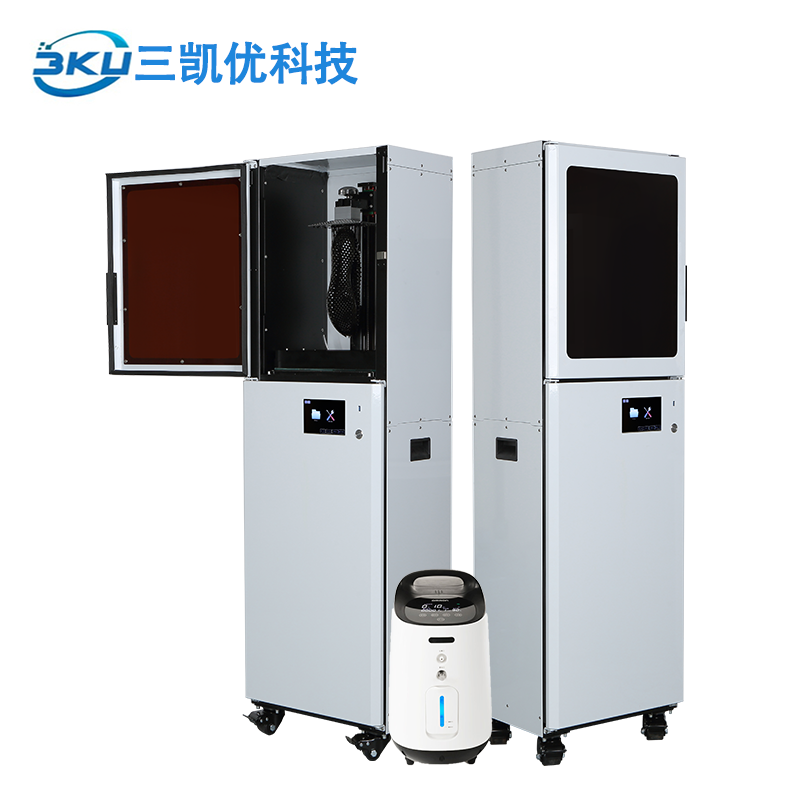
3D printing alumina is an advanced material that is becoming increasingly popular in various industries due to its unique properties and applications. As a B2B buyer, understanding the nuances of 3D printing alumina is essential for making informed purchasing decisions. This article will address critical buyer concerns such as material quality, supplier reliability, and common issues associated with 3d printing alumina. By the end of this guide, you will have a clearer understanding of how to evaluate options and what to consider before making a purchase.
When looking to purchase 3D printing alumina, there are several key factors to consider. First, it's essential to identify the specific application requirements, as this will dictate the material specifications needed. Common applications for alumina 3d printing include dental, jewelry, and precise molding, each of which may have unique demands regarding material properties, dimensions, and surface finishes.
Buyers should also evaluate the manufacturer’s capabilities, including their experience with alumina materials and production processes. Understanding the manufacturing technology, such as FDM, DLP, or SLA, used by your supplier is crucial, as it affects the final product's quality and performance. Furthermore, customizing aspects like size, shape, and surface treatment can also play a significant role in meeting your project’s specifications.
Lastly, consider the supplier's reputation in the industry. Look for companies that provide comprehensive support, such as technical assistance and after-sales service, which can be invaluable during the implementation phase.
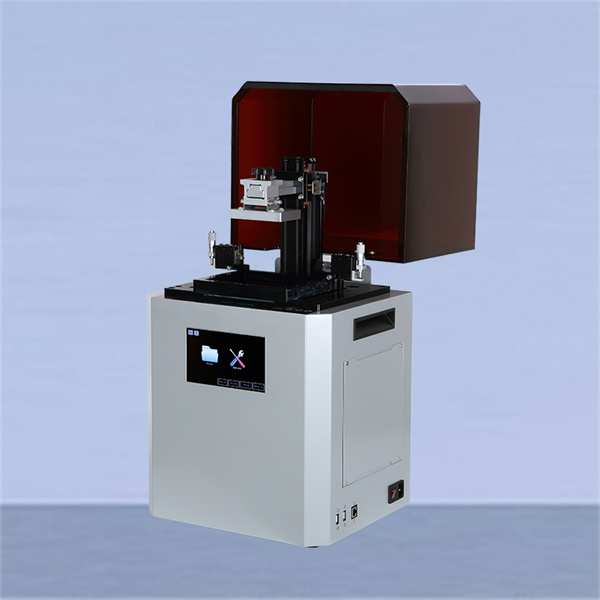
Quality control is vital when evaluating 3D printing alumina products. Key specifications to review include:
Material Composition: Ensure that the alumina used meets industry standards for purity and consistency. Impurities can affect the final product’s mechanical properties and durability.
Dimensional Accuracy: Verify that the manufacturing process can consistently produce parts within the required tolerances. Poor dimensional accuracy can lead to fitment issues, especially in precision applications.
Surface Finish: Depending on the end-use, the surface finish of the printed alumina can significantly impact its performance. Buyers should request samples to assess how the surface treatment aligns with their application needs.
Mechanical Properties: Properties such as hardness, thermal stability, and wear resistance should be evaluated. Buyers should request data sheets that detail these specifications and any associated testing results.
Confirming these specifications through samples and technical discussions with the manufacturer is essential to ensure the final product will meet your needs.
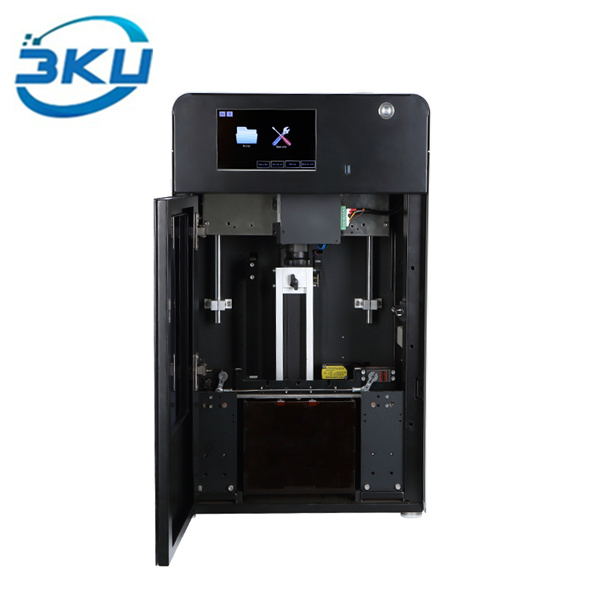
While 3D printing alumina has many advantages, buyers should be aware of common challenges associated with the material:
Cracking During Printing: Alumina can be prone to cracking if not properly handled during the printing process. To mitigate this, ensure that the printing parameters (temperature, speed, and layer height) are optimized for alumina.
Inconsistent Quality: Variability in material quality can lead to inconsistent printing results. Work with a reputable manufacturer that has stringent quality control processes in place to minimize this risk.
Post-Processing Needs: Many 3D printed alumina products require post-processing to achieve the desired finish. Prepare for additional time and costs associated with these processes, such as polishing or glazing.
Material Limitations: While alumina has excellent properties, it's not suitable for all applications. Evaluate whether alumina's characteristics align with your specific project requirements, particularly in terms of chemical resistance and temperature stability.
By proactively addressing these challenges with your supplier, you can enhance the reliability of your 3D printing projects.
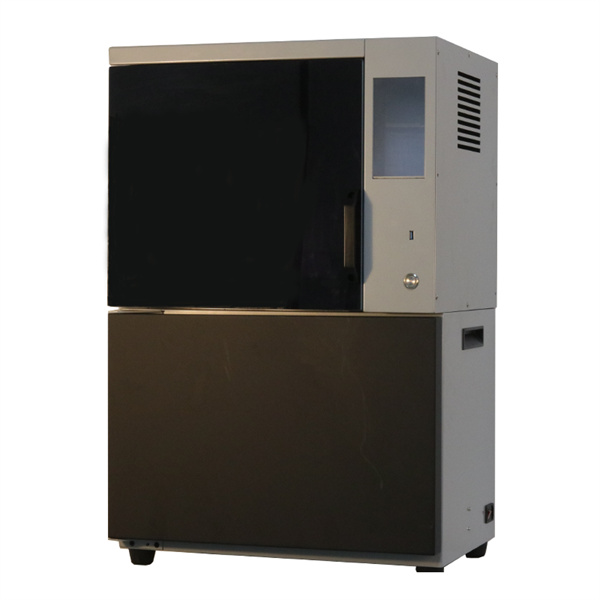
Finding a reputable supplier for 3D printing alumina is crucial for ensuring quality and service. Here are some strategies to identify potential suppliers:
Industry Directories: Utilize online industry directories that specialize in 3D printing and materials. These platforms often include reviews and ratings that can guide your selection process.
Trade Shows and Conferences: Attend industry events focused on 3D printing and manufacturing technologies. These venues provide excellent opportunities to meet suppliers, view their products firsthand, and engage in meaningful discussions.
Networking: Leverage your professional network to get recommendations for trustworthy suppliers. Engaging with industry peers can provide insights into their experiences and preferred vendors.
Online Research: Conduct thorough online research to assess potential suppliers. Look for case studies, testimonials, and detailed product information on their websites to gauge their expertise in 3d printing rabbit.
Request Samples: Once you identify potential suppliers, request samples of their alumina products. This will allow you to evaluate the quality directly before making a larger commitment.
Alumina 3d printing founder of our company has been working on 3D printers since 2012, beginning with FDM, DLP, SLA. He believes that "3d technology will lead another industrial revolution"! We try our best to provide better service and technical assistance to 3D printer lovers, who we support and are steadfastly in our support! We provide the most competitive tower packaging. We offer a friendly service and can react quickly to market shifts.
3d pottery printer is established in the year 2014. Within just a few years of developing and marketing, our brand 3KU is known well by 3d printer lovers and users. We offer a wide range of technical support that includes printing technology, post-processing, casting techniques, and a lifetime warranties. We provide highly skilled support and technology. We we can resolve printing and casting issues in various areas.
Based on a unique design and structure, especially our outstanding research team, our printers can be found in various industries, including Dental cast and crown, Jewelry cast, 3 d printer jewelry, Precise Molding, ect. We offer free samples. We can print stl files on our printers and show you how they operate and the results before purchasing.
Our printers have been employed in a variety of industries, including jewelry, Temples Dentals, Ceramics and more. Our customized services are ideal. The services that we customize include the outlook design, the Dlp 3d printer, the software design, more function and personalized packaging. We provide our customers with 3D printers at the lowest prices, and with the highest quality, functionality and efficacy.
Copyright © Shenzhen 3KU Technology and Science Co., LTD. All Rights Reserved Privacy Policy Blog
 EN
 AR
 BG
 HR
 CS
 DA
 NL
 FI
 FR
 DE
 EL
 HI
 IT
 JA
 KO
 NO
 PL
 PT
 RO
 RU
 ES
 SV
 TL
 IW
 ID
 SR
 SK
 SL
 VI
 ET
 HU
 TH
 TR
 FA
 MS
 GA
 CY
 BE
 IS
 MY